

2026 Paper Mill Roll End Moisture Damage & Downgrade? 360° Wrapping Solution with Cylindrical Roll Wrapping Machine
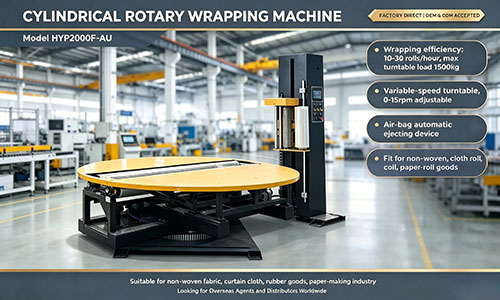
For post-process packaging in paper mills, the most distressing losses usually occur not on the cylindrical surface, but on the two end faces of paper rolls. Base paper and finished paper rolls feature large widths and diameters. The exposed paper edges on end faces are vulnerable to moisture during transit, collision with other rolls in trucks, and scratches from forklift handling. Once the edges are damaged, an entire roll may be downgraded from Grade A to Grade B or even scrapped. The price difference per ton directly cuts into profits. Many paper mills have calculated that annual losses from end-face moisture downgrade and damage compensation far exceed the cost of one packaging machine.
Why are paper roll ends so hard to protect? It comes down to equipment design. Conventional pallet stretch wrappers wrap around palletised stacks. Paper rolls lie horizontally as cylinders with end faces facing outwards, which pallet wrappers cannot reach. Manual wrapping only covers the curved surface loosely, leaving end faces poorly sealed. The film tail easily unwinds, so moisture still gets in during rainy seasons or long-distance shipping. Weighing hundreds of kilograms up to 1 or 2 tons, heavy rolls make manual wrapping tiring and slow. Factories constantly struggle with labour shortages at packaging stations when handling dozens of rolls daily.
The cylindrical paper roll wrapping machine is built to solve this pain point. Adopting an axial wrapping structure for cylindrical goods, the roll is placed horizontally on the turntable. The stretch film travels along the roll axis from one end to the other while the turntable spins the roll, achieving complete 360° wrapping. Both the curved surface and two end faces are fully enclosed by film to block moisture, dust and impact.
Take the HYP2000F-AU rotary cylindrical wrapper as an example. It handles roll diameters from 600 mm to 1500 mm, configurable width above 3000 mm, standard turntable load of 1500 kg (customisable), and throughput of 10–30 rolls per hour, covering most common paper roll sizes. An airbag automatic ejection system unloads finished rolls after wrapping, eliminating the need for workers to pull heavy rolls inside the machine for safer, easier operation.
Two practical custom options fit paper mill outbound workflows: integrated in-line weighing to sync weight data with shipping labels, and automatic label printing to print and apply customer info, specifications and weight in one step, removing secondary manual labelling work. It supports base paper rolls, finished paper rolls, paper cores, as well as nonwoven rolls, tyre cord rolls, rubber rolls and coil rolls. Custom models are available by size, weight and function, including small-cylinder, large-cylinder, weighing-type and dual-purpose cylinder & pallet versions.
A paper enterprise in Shandong produces tissue base paper and packaging paper. Previously relying on manual wrapping, it faced constant moisture damage complaints, especially during peak seasons with over 100 rolls wrapped daily. After switching to Dahong’s cylindrical wrapping machine, end-face sealing is reliable. Downgrade issues for orders shipped south in wet seasons are nearly eliminated. The machine runs steadily at 20–30 rolls per hour. Two to three packaging workers are reassigned to other positions. In-line weighing and labelling streamline the whole shipping process.
If your paper or converting workshop suffers from paper roll end moisture, insufficient manual wrapping, and labour-intensive weighing & labelling before shipment, contact Dyehome Intelligent. Share your roll diameter, width, weight and daily output, and we will match the right cylindrical wrapper model and custom functions.
products
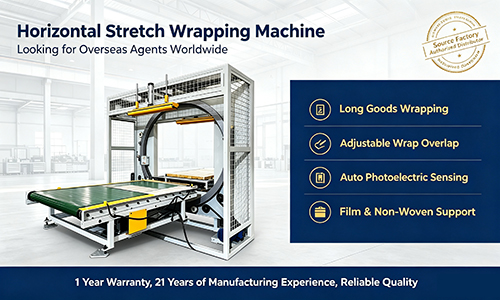
Horizontal Stretch Wrapping Machine SP1000 for Pipes
view more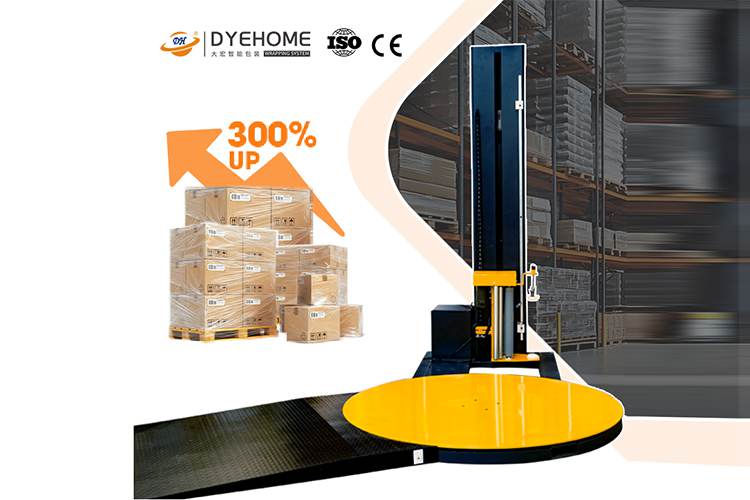
Pallet Stretch Wrapping Machine
view more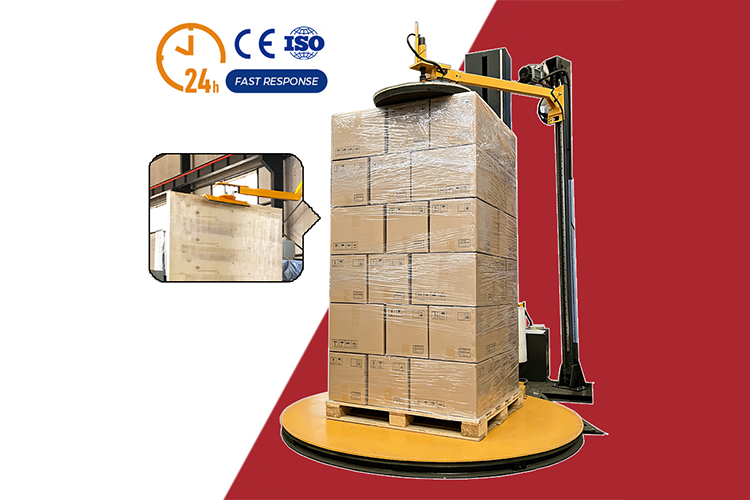
Top Press Pallet Stretch Wrapping Machine
view more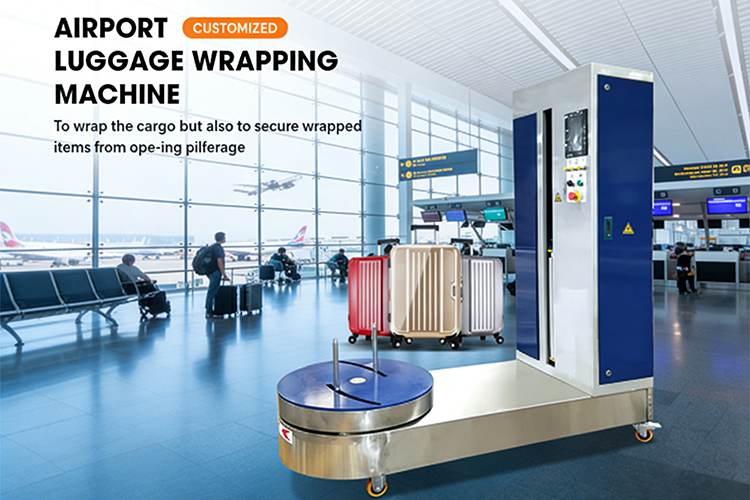
Luggage Wrapping Machine for Airports
view more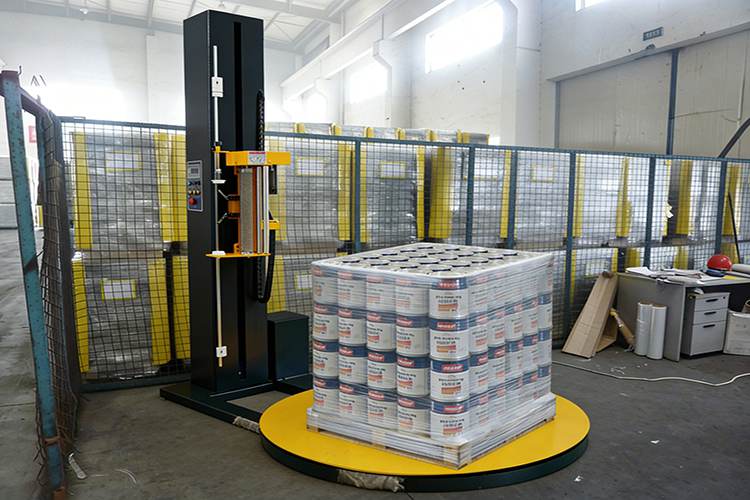
Pallet Stretch Wrapping Machine for Canned Goods
view more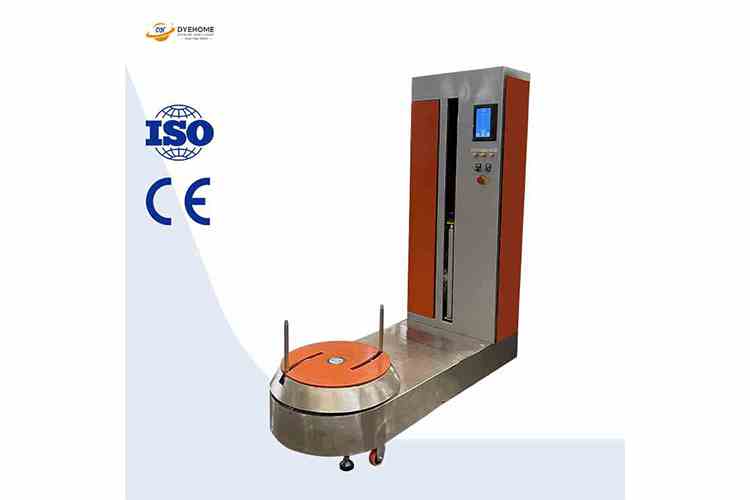
Airport Self-Service Luggage Wrapping Machine
view more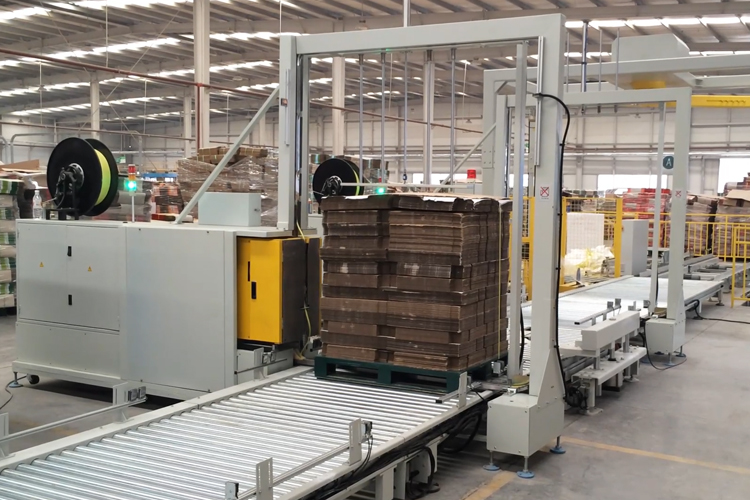
Automated film wrapping and packaging equipment
view more
Sword-piercing baler and wrapping machine
view more
 Shandong Dyehome Intelligent Equipment Co.,Ltd
Phone:0086-17362172587
Whatsapp:+8617362172587
Email:machinedyehome@gmail.com
Add:Building 62, 3000 Meili East Road, DmiPark, Wujiapu Street, Huaiyin District, Jinan City,Shandong Province
Jinan Jiasen Packaging Equipment Co., LtdPhone:0086-15665802370
Add:High-end Equipment Manufacturing Industrial Park, East Industrial New Town, Ancheng Town, Pingyin County, Jinan City, Shandong Province
Shandong Golden Pack Intelligent Equipment Co.,LtdPhone:0086-15662690213
Add:High-end Equipment Manufacturing Industrial Park, East Industrial New Town, Ancheng Town, Pingyin County, Jinan City, Shandong Province
YoursIndustry
OurSolutions
OurServices
OurInformation