

Automotive Parts Transportation Instability? Pallet Strapping Reinforcement as a Key Solution
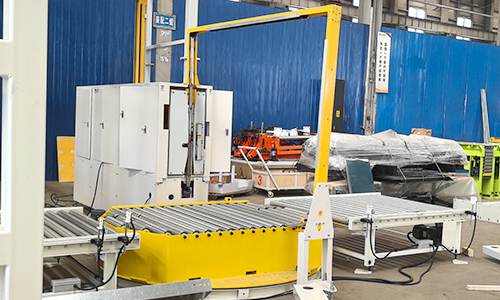
Automotive strapping machines are widely used for pallet packaging of automotive parts, including engines, transmissions, interior and exterior components, and assemblies. Using PP or PET straps, they reinforce pallet loads and reduce shifting, collapse, and transport damage. They can be combined with stretch wrapping machines to achieve integrated “strapping + wrapping” protection.
Why automotive parts require higher packaging stability
In automotive supply chains, products undergo multiple handling stages, including warehousing, regional transport, and OEM delivery. Compared to general industrial goods, automotive parts are high-value, complex, and often shipped in bulk.
Any movement or packaging failure during transport may cause not only surface damage but also affect assembly precision.
Especially for engine components, transmission parts, and precision assemblies, even slight instability during forklift handling or long-distance transport can lead to pallet shifting or collapse, affecting delivery schedules and production efficiency.
Why traditional manual strapping is no longer sufficient
Many companies previously relied on manual strapping, which works for small batches but fails in large-scale automotive supply chains.
Problems include inconsistent tightening force, strap loosening during long transport, and low efficiency that cannot meet OEM delivery requirements.
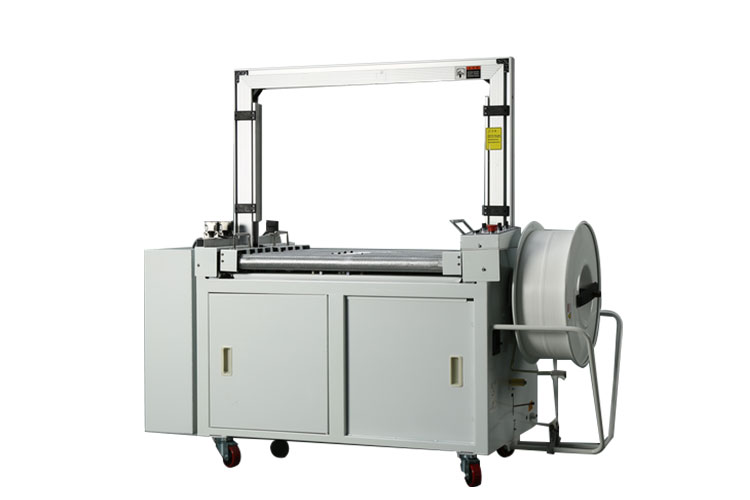
Automotive strapping machines solve these issues through automatic feeding, tension control, and standardized strapping cycles, ensuring consistent packaging quality for every pallet.
Why through-type strapping is ideal for automotive parts
Through-type strapping machines use a “strap-passing needle” mechanism, allowing straps to pass under pallets or through gaps, creating a vertical locking structure.
This is ideal for palletized automotive components, enabling two or four-direction strapping patterns that form a stable structural unit, reducing movement during transport.
The system also allows adjustable tension settings to avoid damaging sensitive components.
Why “strapping + wrapping” is becoming standard in automotive logistics
As automotive supply chains become more globalized and standardized, single packaging methods are no longer sufficient. More companies are adopting combined “strapping + stretch wrapping” solutions.
Strapping provides structural stability, while wrapping offers dustproof and moisture protection. Together they significantly improve reliability during long-distance transport and multiple handling cycles.
This method is also widely accepted by international customers due to its standardized packaging format.
Automation is upgrading automotive supply chains
With increasing automation in automotive manufacturing, packaging is also shifting toward automated systems. Through-type online strapping machines can integrate with conveyors, palletizers, and warehouse systems for fully automated operation.
Models such as DH770A and DH770C can achieve 15–19 seconds per strap cycle, supporting multi-strap configurations for high-volume automotive logistics.
A key equipment in modern automotive logistics
As requirements for delivery accuracy, transport safety, and supply chain efficiency continue to rise, packaging equipment has become a critical part of logistics stability.
Automotive strapping machines improve pallet stability through high-strength strapping, automated control, and reliable structure design, making them widely used in automotive parts, machinery manufacturing, and high-end industrial logistics systems.
FAQ
Q1: What products are suitable for automotive strapping machines?
Automotive parts, engine components, transmissions, structural parts, and palletized industrial goods.
Q2: What is the advantage of through-type strapping machines?
They allow bottom-pallet strapping for stronger locking force, suitable for heavy-duty products.
Q3: Can it be integrated with wrapping machines?
Yes, “strapping + wrapping” is a common integrated solution.
Q4: What is the speed?
Approximately 15–19 seconds per strap depending on model.
Q5: Is it suitable for export packaging?
Yes, it is highly standardized and widely used in export logistics.
products
Automatic strapping machine
view more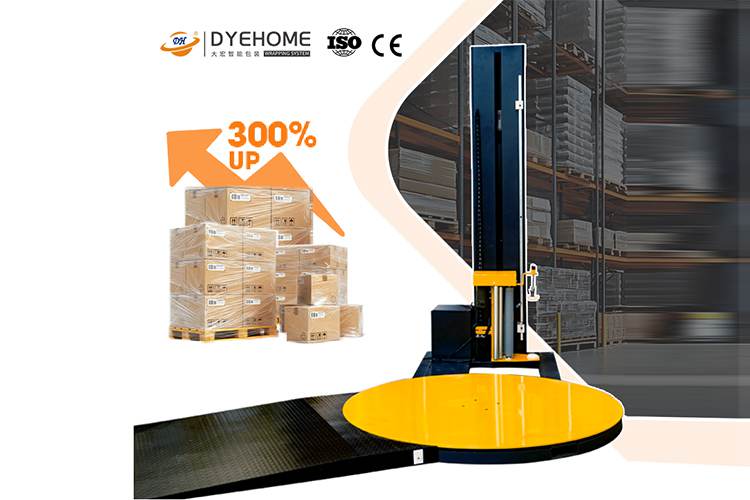
Pallet Stretch Wrapping Machine
view more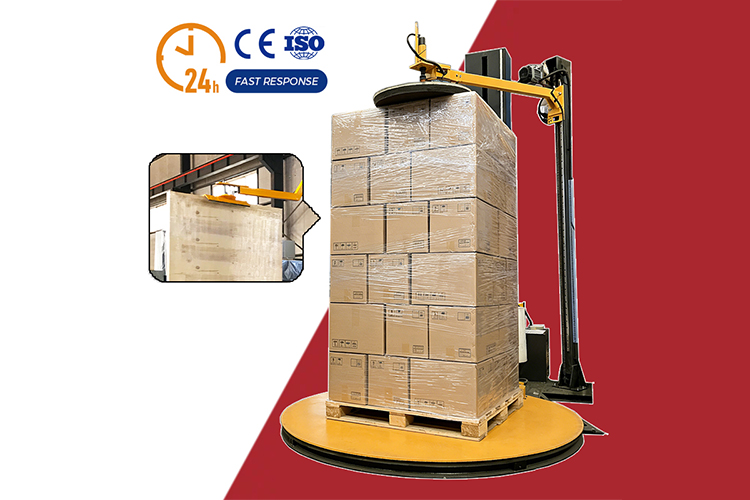
Top Press Pallet Stretch Wrapping Machine
view more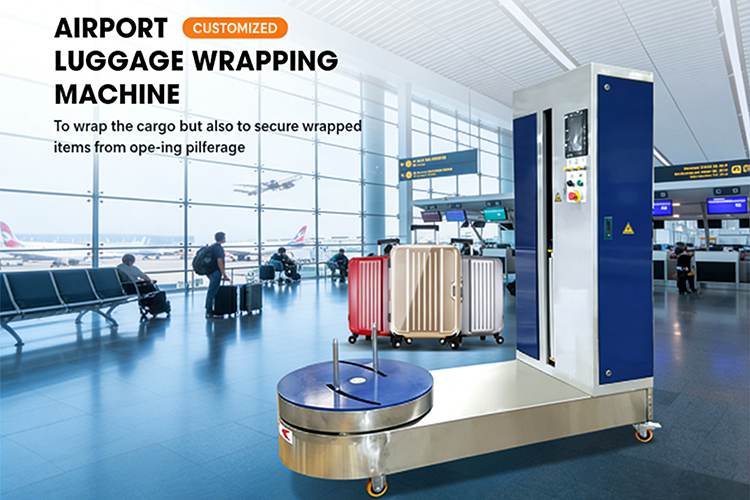
Luggage Wrapping Machine for Airports
view more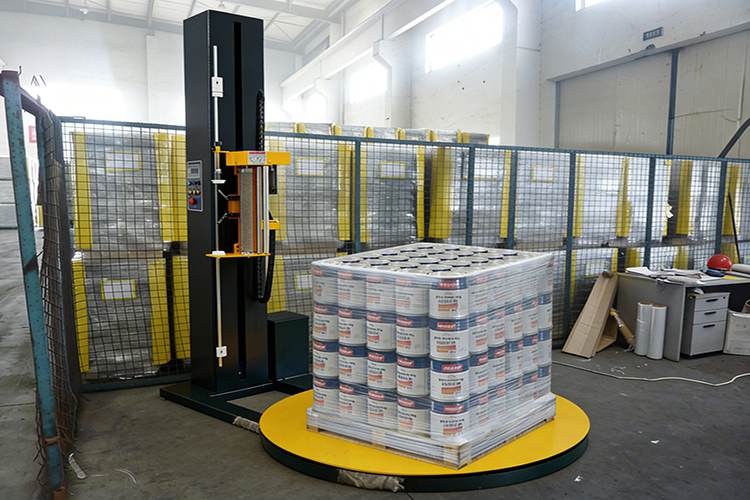
Pallet Stretch Wrapping Machine for Canned Goods
view more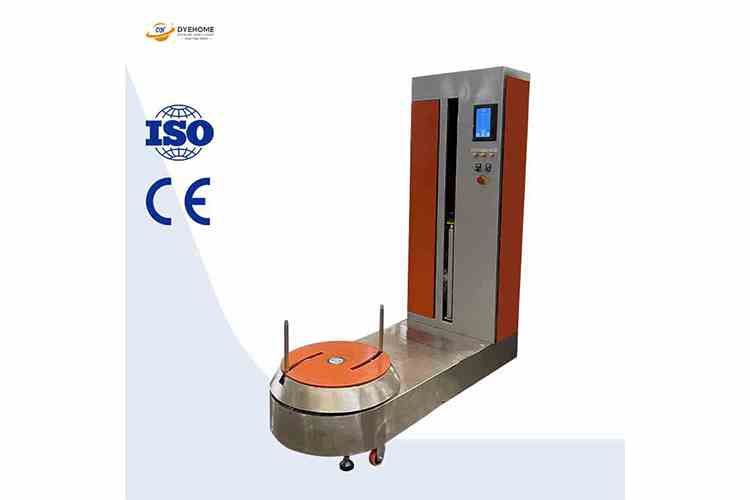
Airport Self-Service Luggage Wrapping Machine
view more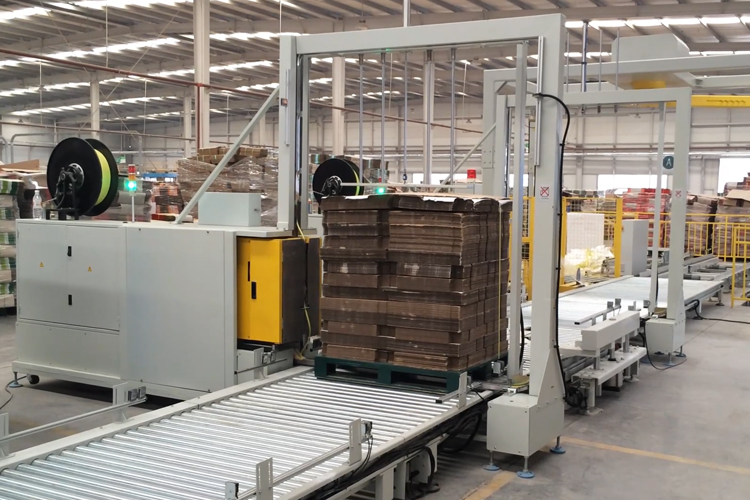
Automated film wrapping and packaging equipment
view more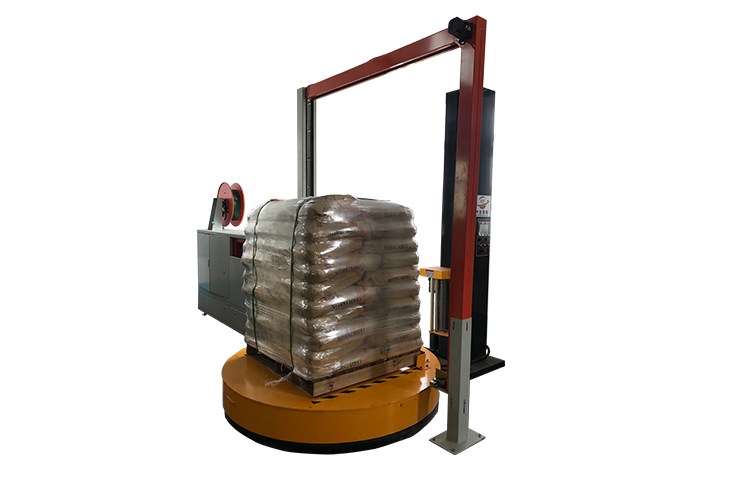
Sword-piercing baler and wrapping machine
view more
 Shandong Dyehome Intelligent Equipment Co.,Ltd
Phone:0086-17362172587
Whatsapp:+8617362172587
Email:machinedyehome@gmail.com
Add:Building 62, 3000 Meili East Road, DmiPark, Wujiapu Street, Huaiyin District, Jinan City,Shandong Province
Jinan Jiasen Packaging Equipment Co., LtdPhone:0086-15665802370
Add:High-end Equipment Manufacturing Industrial Park, East Industrial New Town, Ancheng Town, Pingyin County, Jinan City, Shandong Province
Shandong Golden Pack Intelligent Equipment Co.,LtdPhone:0086-15662690213
Add:High-end Equipment Manufacturing Industrial Park, East Industrial New Town, Ancheng Town, Pingyin County, Jinan City, Shandong Province
YoursIndustry
OurSolutions
OurServices
OurInformation