

End-of-Line Packaging Automation: When to Upgrade to an Inline Stretch Wrapper
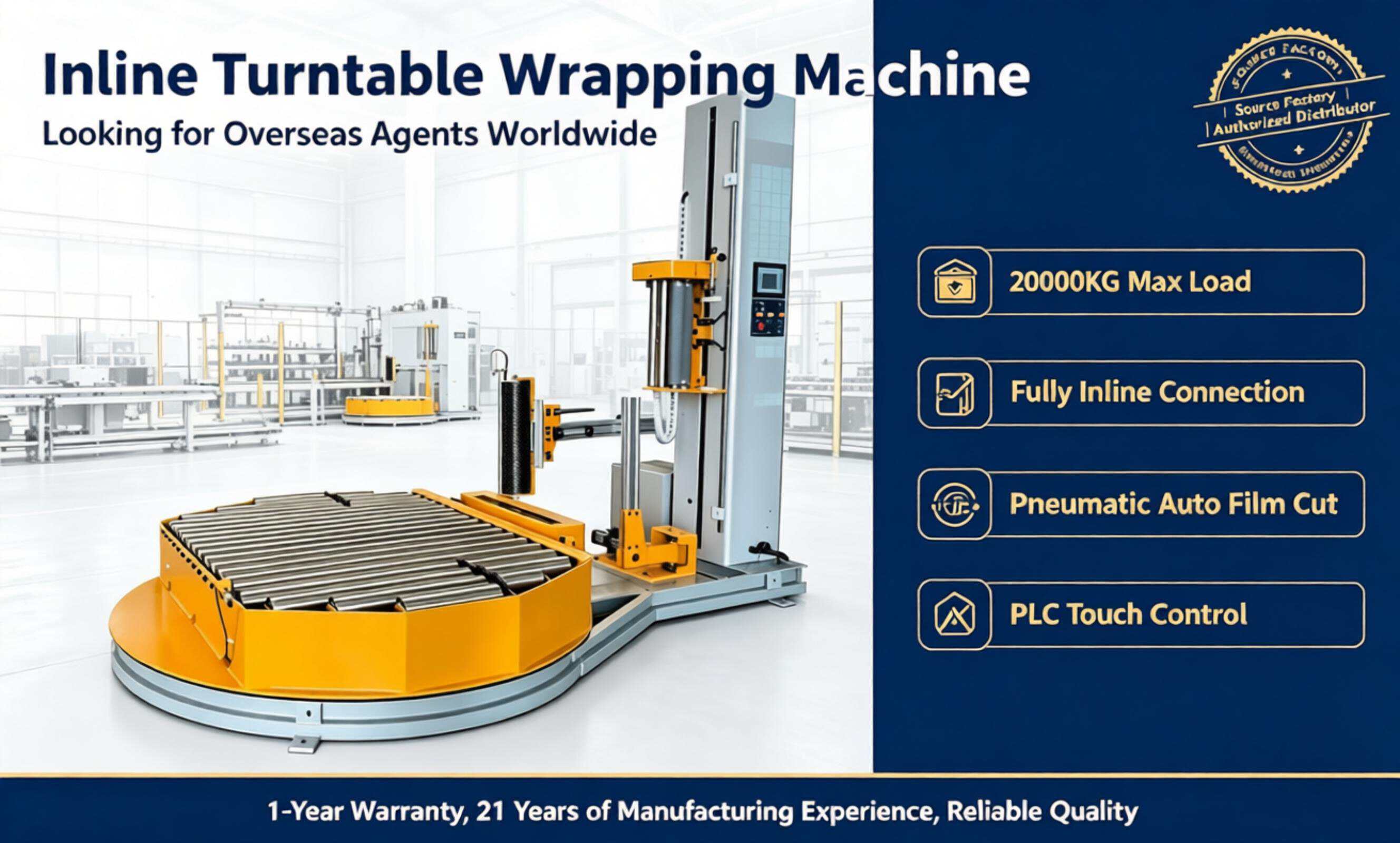
If your factory is still using standalone pallet wrappers where a worker loads and unloads each pallet by hand, you're not alone — but you might be leaving money on the table. As production volumes rise and labor gets harder to find, more factories are moving toward end-of-line packaging automation, and the inline stretch wrapper is often the first step.
Here's a reality check: a typical standalone stretch wrapper wastes 20-30% of its potential throughput because of operator waiting time. The machine sits idle while the worker brings the next pallet, or worse, the worker waits around for the machine to finish. An inline system eliminates this gap by integrating wrapping directly into your conveyor line.
According to McKinsey, end-of-line automation can reduce packaging labor costs by 60-80% and improve overall equipment effectiveness (OEE) by 15-25%. But upgrading isn't cheap, and getting it wrong means wasted capital.
In this guide, we'll cover:
Signs you're ready for an inline wrapper
How inline wrappers work and what types exist
5 critical factors before you buy
Common pitfalls and how to avoid them
7 Signs You're Ready for an Inline Stretch Wrapper
1. You're Running 2+ Shifts
If your packaging line runs 16+ hours per day, labor costs for a dedicated wrapper operator add up fast. A  48,000/year — enough to pay for most inline wrappers in 1-2 years.
2. Your Standalone Wrapper Is a Bottleneck
If pallets are stacking up waiting to be wrapped, your current wrapper can't keep up. Inline systems integrate directly into your flow, so wrapping happens automatically as part of the line.
3. You're Adding a Palletizer
If you're investing in automated palletizing, it makes zero sense to have a worker manually take pallets to a wrapper. The whole point of automation is end-to-end flow.
4. Labor Is Hard to Find (or Keep)
Packaging jobs are repetitive and physically demanding. Turnover is high, and training new operators costs time and money. An inline wrapper needs zero dedicated operators.
5. Wrap Quality Is Inconsistent
With manual loading and semi-automatic machines, wrap quality varies by operator. Some wrap too tight, some too loose, some skip layers. Inline systems deliver consistent quality every time.
6. You're Expanding Production
If you're adding lines or increasing output, build automation in from the start rather than retrofitting later. It's cheaper and more effective.
7. Safety Is a Concern
Workers moving heavy pallets on and off wrappers face injury risks — back strains, crushed toes, forklift accidents. Inline systems eliminate manual pallet handling at the wrapper.
How Inline Stretch Wrappers Work
Inline wrappers (also called conveyorized wrappers) integrate directly into your conveyor system. The process:
1. Infeed: A finished pallet comes down the conveyor from the palletizer
2. Detection: Photo-eye sensors detect the pallet and its height
3. Wrapping: The machine wraps automatically — either rotary arm or turntable style
4. Film cut: Auto film cut and clamp at the end of the cycle
5. Outfeed: The wrapped pallet moves out to the next station (storage, shipping, etc.)
Two Main Types of Inline Wrappers
1. Rotary Arm Inline Wrappers
Pallet stays stationary on the conveyor
A rotating arm wraps film around it
Best for: Unstable, tall, or heavy loads; higher speed lines
Pros: No load movement, excellent stability, faster cycle times
Cons: Higher cost, larger footprint
2. Turntable Inline Wrappers
Conveyor rollers are built into a rotating turntable
Pallet stops on the turntable, which spins to wrap
Best for: Stable loads, budget-conscious installations
Pros: Lower cost, smaller footprint
Cons: Load rotates — not for unstable products; conveyor integration is more complex
1. Conveyor Compatibility
Make sure the wrapper's conveyor matches your existing line:
Type: Roller, chain, or belt?
Height: Does the wrapper's conveyor height match yours?
Speed: Can the wrapper keep up with your line speed?
Controls: Can it integrate with your line PLC?
Tip: If you're not sure, send your line drawings to the manufacturer before ordering.
2. Load Type and Stability
Stable boxed pallets → turntable inline works fine and costs less
Unstable loads (bottles, cans, drums) → rotary arm inline is necessary
Very tall loads (over 2m) → rotary arm recommended
Wrong choice = constant problems with falling or shifting loads.
3. Safety Features
Inline machines run unattended, so safety is critical. Look for:
Safety fencing or light curtains
Emergency stop buttons at multiple locations
Photo-eye safety sensors
Proper guarding around moving parts
CE certification (or equivalent)
4. Integration Capability
Can the wrapper talk to your existing systems?
PLC compatibility
Conveyor control signals
WMS (Warehouse Management System) integration
Data output for OEE tracking
A wrapper that can't integrate is just an expensive standalone machine.
5. After-Sales Support
Inline systems are more complex than standalone machines. You need a supplier who can:
Provide installation support (remote or on-site)
Troubleshoot quickly when problems come up
Supply spare parts fast
Train your maintenance team
A 10% cheaper machine from a supplier with no support is a bad deal.
The 4 Most Common Mistakes
Mistake #1: Buying on Price Alone
The cheapest inline wrapper will cost you more in downtime, poor integration, and maintenance. This is capital equipment — buy quality.
Mistake #2: Not Planning for Growth
If you're at 30 pallets/day now and growing 20%/year, buy a machine that handles 50+. You'll be at 50 in less than 3 years.
Mistake #3: Skimping on Safety
Skipping safety fencing to save money is penny-wise and pound-foolish. One workplace injury costs more than all the safety equipment you'd ever buy.
Mistake #4: Ignoring Operator Training
Even automatic machines need someone to change film rolls, adjust recipes, and do basic maintenance. Make sure training is included.
Become a Dyehome Distributor
Are you a system integrator, packaging line builder, or automation solution provider looking for a reliable stretch wrapper manufacturer?
Dyehome is actively seeking qualified distributors and system integration partners worldwide. Our inline wrappers are perfect for end-of-line automation projects — and we provide full engineering support for custom integration.
Get these right, and an inline wrapper will pay for itself many times over.
Not sure if inline is right for you? Send us your line layout, pallet specs, and production numbers. We'll do a free assessment and tell you honestly whether inline is worth it — and if so, exactly what you need.
Shandong Dyehome Intelligent Equipment Co., Ltd. — 21 years of stretch wrapping expertise, CE certified, exporting to 80+ countries.
products
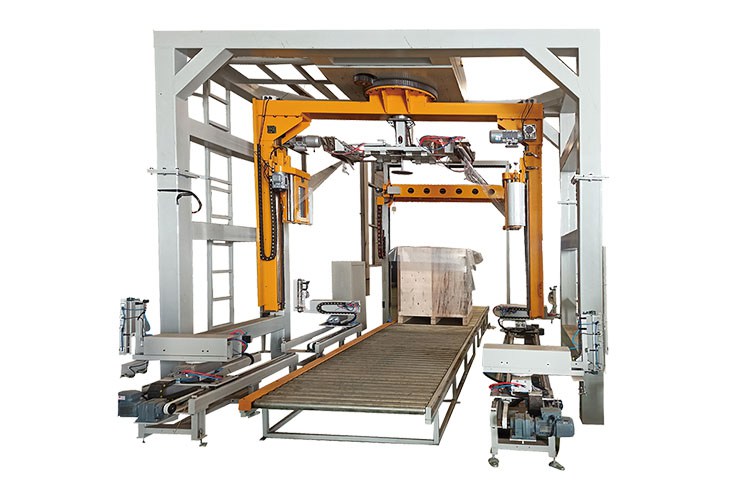
Cantilever wrapping film packaging machine
view more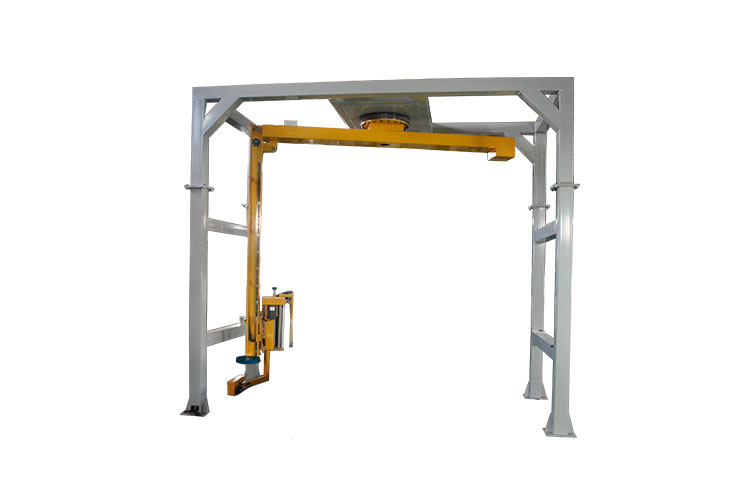
Gantry fully automatic cantilever wrapping machine
view more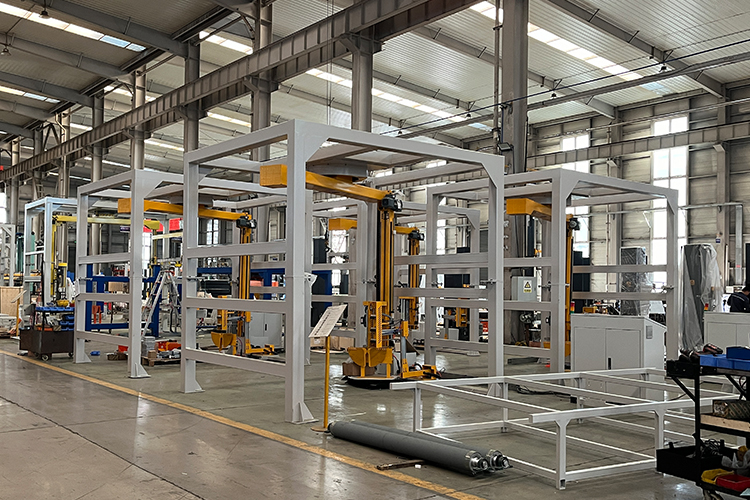
Cantilever wrapping packaging machine
view more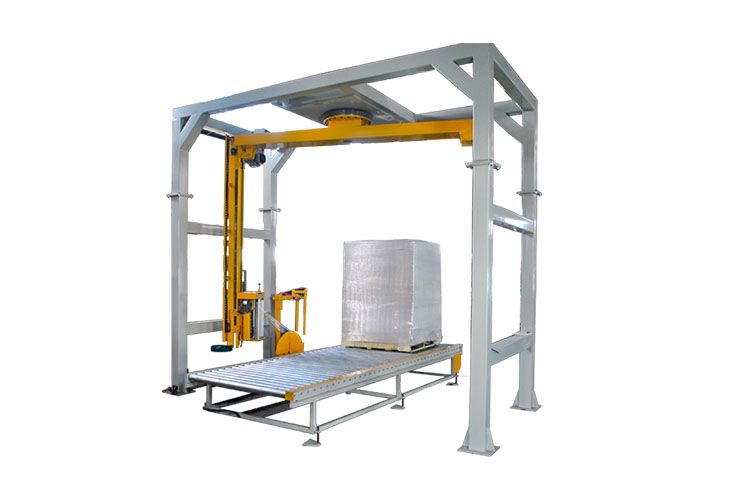
Rocker-type online wrapping machine
view more
Online wrapping intelligent packaging machine
view more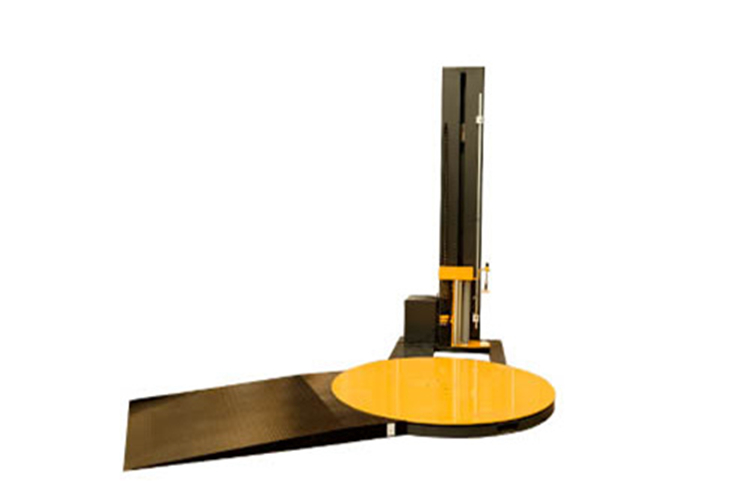
Stretch film wrapping machine
view more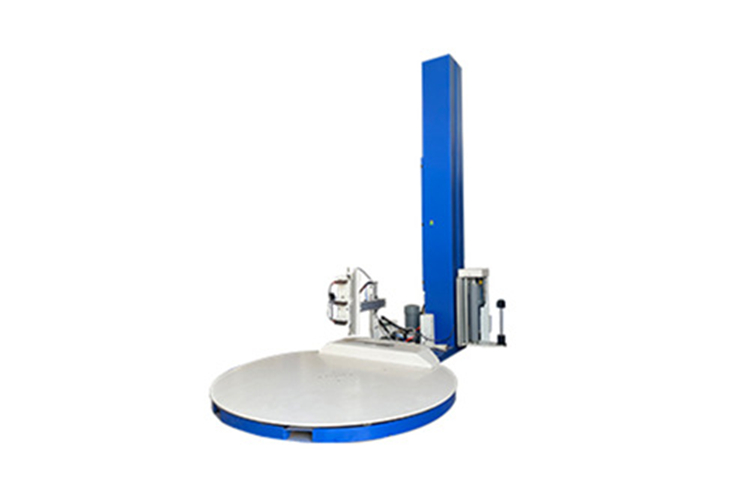
Pallet wrapping packaging equipment
view more
Turntable wrapping machine with top pressure
view more
 Shandong Dyehome Intelligent Equipment Co.,Ltd
Phone:0086-17362172587
Whatsapp:+8617362172587
Email:machinedyehome@gmail.com
Add:Building 62, 3000 Meili East Road, DmiPark, Wujiapu Street, Huaiyin District, Jinan City,Shandong Province
Jinan Jiasen Packaging Equipment Co., LtdPhone:0086-15665802370
Add:High-end Equipment Manufacturing Industrial Park, East Industrial New Town, Ancheng Town, Pingyin County, Jinan City, Shandong Province
Shandong Golden Pack Intelligent Equipment Co.,LtdPhone:0086-15662690213
Add:High-end Equipment Manufacturing Industrial Park, East Industrial New Town, Ancheng Town, Pingyin County, Jinan City, Shandong Province
YoursIndustry
OurSolutions
OurServices
OurInformation