

Food-Grade Stretch Wrapper Buying Guide: How to Choose the Right Machine
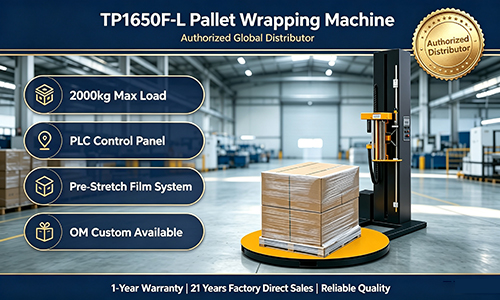
Selecting a stretch wrapper for food and beverage applications requires more than matching throughput — you need equipment designed to meet strict hygiene standards, handle diverse product types, and operate reliably in demanding environments.
This buying guide covers the 7 critical features to evaluate when selecting food-grade stretch wrapping equipment, answers frequently asked questions about food safety compliance, and explains how to match machine capabilities to your specific production requirements.
Whether you’re upgrading a single machine or automating an entire end-of-line, this guide helps you make an informed purchasing decision.
7 Critical Features to Evaluate in Food-Grade Stretch Wrappers
1. Food-Safe Material Compatibility
Ensure the machine is designed to work with food-grade LLDPE stretch film that meets FDA 21 CFR 175.300 or EU food contact standards. The film path should not introduce contaminants into the product environment.
Key checklist items: - Film contact surfaces made from non-toxic materials - No lubricants or components that could leach into food zones - Compatibility with FDA-approved and EU-compliant stretch films
2. Precise Tension & Containment Force Control
Look for machines with variable frequency drive (VFD) tension control and adjustable wrap patterns. The ability to set different tensions at the bottom, middle, and top of the load is essential for mixed product types.
Why this matters for food operations: - Over-tight wrapping crushes lightweight bakery products - Under-tight wrapping allows load shift during distribution - Beverage pallets need higher base tension for stability
4. Easy-to-Clean Film Carriage
The film carriage is a high-maintenance area. Choose models with: - Tool-free film threading - Accessible rollers - Smooth surfaces that can be quickly cleaned
In food facilities, cleaning time directly impacts production uptime. A film carriage that takes 5 minutes to clean versus 20 minutes saves significant labor over a year of daily operation.
5. Programmable Wrap Recipes
For operations running multiple product lines, memory for 5+ wrap programs (different tensions, wrap counts, patterns) saves time and ensures consistency when switching between products.
Typical food facility needs: - Bakery line: gentle wrap, fewer layers - Beverage line: high base tension, roping function - Frozen food line: cold-compatible settings, top sheet application
6. Safety Features
Food plants have strict OSHA requirements. Essential safety features include: - Safety fencing and light curtains for automatic machines - Emergency stop buttons at multiple locations - Pallet detection sensors to prevent empty wraps - Overload protection for motors and conveyors
7. Integration Capability
If you’re automating your end-of-line, ensure the wrapper supports PLC communication (Profinet, Ethernet/IP, Modbus) and can integrate with conveyor systems, palletizers, and warehouse management systems.
Frequently Asked Questions
Q: Can a standard stretch wrapper be used in a food production facility?
A: Not all standard wrappers are suitable. Food facilities require machines with food-safe construction — smooth, non-porous surfaces, corrosion-resistant materials (stainless steel for wet environments), and components that don’t shed particles. For indirect contact (wrapping over cartons), standard machines may be acceptable if positioned in non-production zones. For direct food contact, FDA-compliant materials are essential. Always check with your quality and compliance team.
Q: What throughput should I expect from a food industry stretch wrapper?
A: Throughput depends on machine type: semi-automatic turntable wrappers handle 20–40 pallets/hour, automatic turntable machines do 40–60 pallets/hour, rotary arm wrappers achieve 60–80 pallets/hour, and fully inline systems can exceed 120 pallets/hour. Match your wrapper throughput to your slowest upstream process (usually palletizing), and add 20% buffer for peak production periods.
Q: How often should a food-grade stretch wrapper be cleaned?
A: Cleaning frequency depends on your environment. Wet processing areas (meat, dairy, beverage) typically require daily washdowns of food-contact zones and weekly deep cleans. Dry food environments (bakery, snacks, dry goods) may only need weekly surface cleaning and monthly deep maintenance. Always follow your HACCP plan and local food safety regulations. Keep cleaning logs for audit purposes.
How Dyehome Supports Food Industry Requirements
Shandong Dyehome Intelligent Equipment Co., Ltd. has been manufacturing stretch wrapping equipment for 21 years, serving food and beverage clients across 60+ countries.
Industry-specific capabilities: - Stainless steel options for food-grade environments - Custom conveyor heights and integration with existing lines - Specialized film handling for cold-chain and high-tension applications - Top sheet dispensers for dust and moisture protection
Performance data: - 60–80 pallets/hour throughput for beverage lines - 250% standard pre-stretch (300% high-performance option) - <1% film break rate with proper film selection - Load stability verified for international sea freight conditions
Support & certifications: - Installation and commissioning on-site worldwide - CE certification for European market access - ISO 9001 quality management system - 30+ invention and utility patents in wrapping technology - 24/7 technical support with remote diagnostics
Making Your Decision
When evaluating food-grade stretch wrapping equipment, prioritize these factors in order:
Hygiene compliance — Does the machine meet your facility’s food safety requirements?
Throughput match — Can it keep pace with your production line?
Load compatibility — Does it handle your specific product types and weights?
Integration readiness — Can it connect with your existing equipment?
Total cost of ownership — Factor in film savings, maintenance, and energy consumption
The right machine pays for itself through reduced film costs, lower labor requirements, and minimized product damage.
For a personalized evaluation, the Dyehome team offers free application assessments. Share your product details, throughput targets, and facility layout — our engineers will recommend the optimal configuration.
products
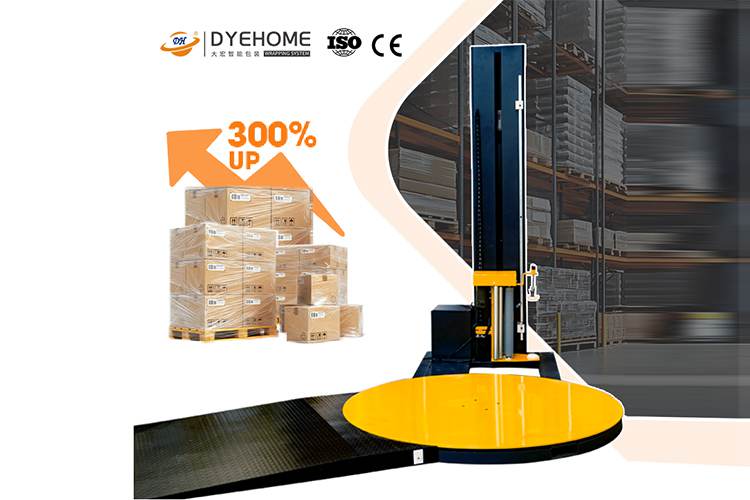
Pallet Stretch Wrapping Machine
view more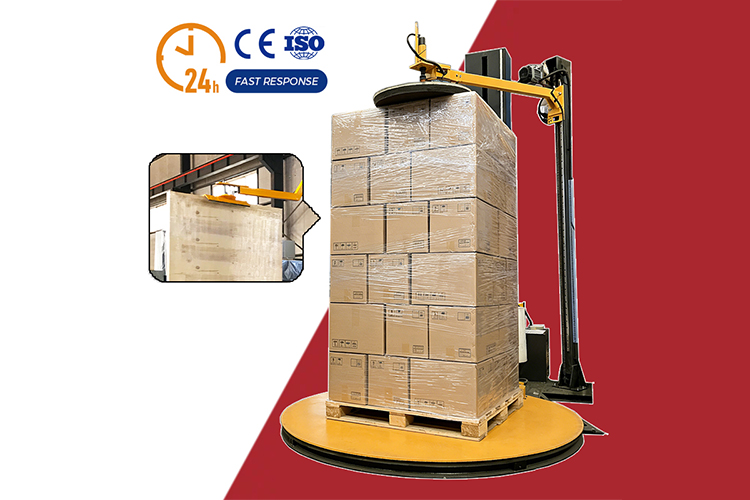
Top Press Pallet Stretch Wrapping Machine
view more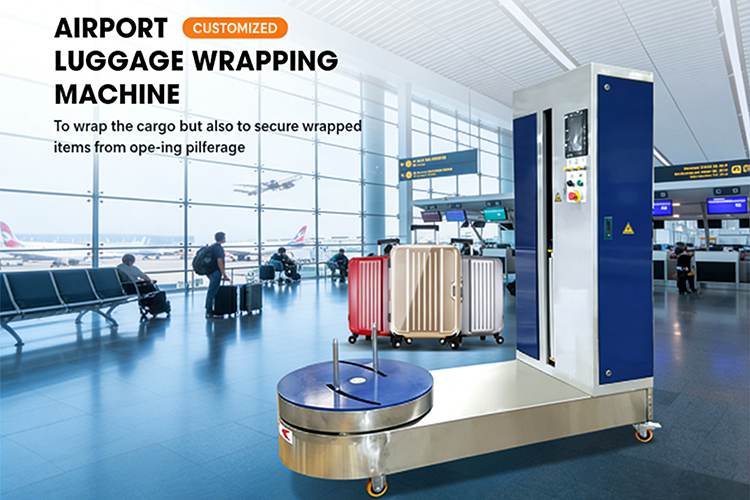
Luggage Wrapping Machine for Airports
view more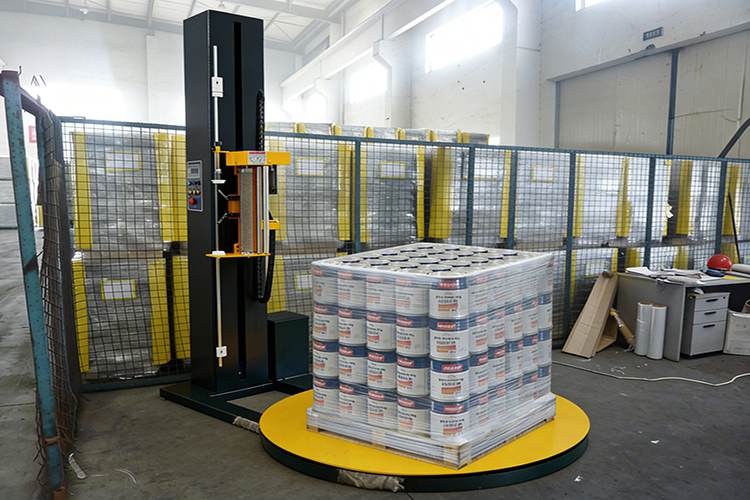
Pallet Stretch Wrapping Machine for Canned Goods
view more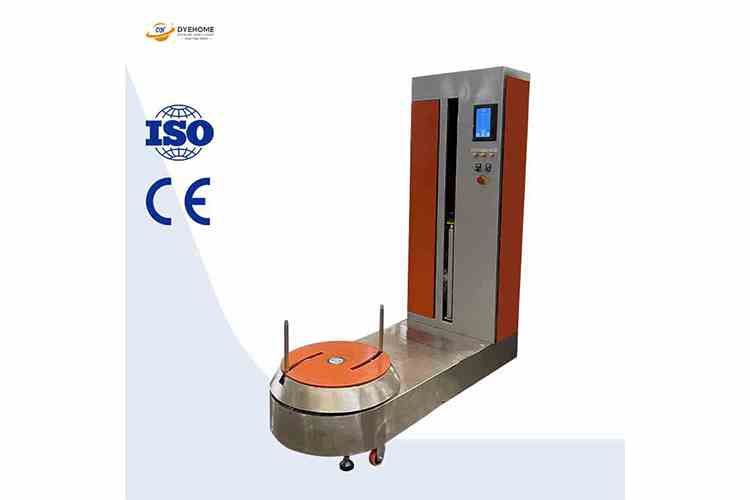
Airport Self-Service Luggage Wrapping Machine
view more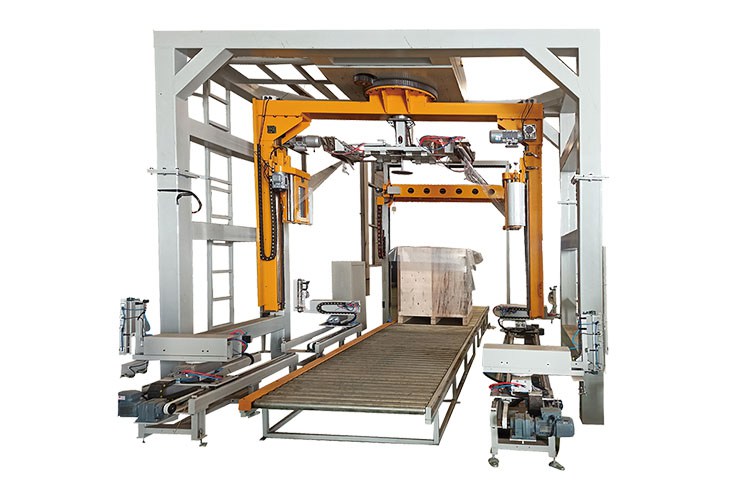
Cantilever wrapping film packaging machine
view more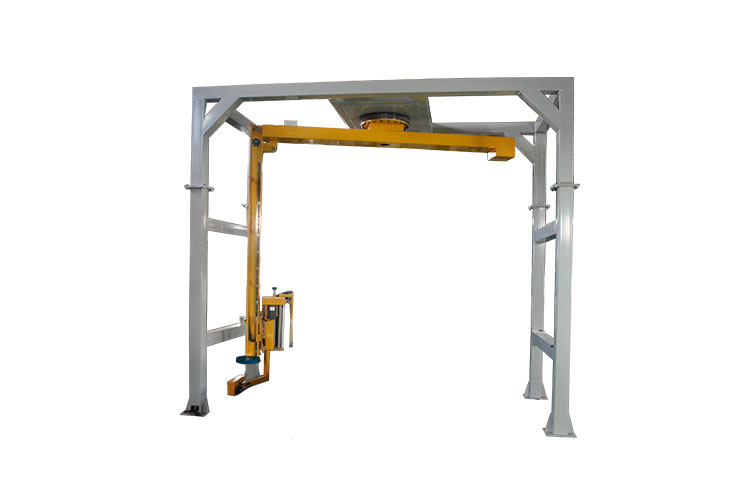
Gantry fully automatic cantilever wrapping machine
view more
Automated film wrapping and packaging equipment
view more
 Shandong Dyehome Intelligent Equipment Co.,Ltd
Phone:0086-17362172587
Whatsapp:+8617362172587
Email:machinedyehome@gmail.com
Add:Building 62, 3000 Meili East Road, DmiPark, Wujiapu Street, Huaiyin District, Jinan City,Shandong Province
Jinan Jiasen Packaging Equipment Co., LtdPhone:0086-15665802370
Add:High-end Equipment Manufacturing Industrial Park, East Industrial New Town, Ancheng Town, Pingyin County, Jinan City, Shandong Province
Shandong Golden Pack Intelligent Equipment Co.,LtdPhone:0086-15662690213
Add:High-end Equipment Manufacturing Industrial Park, East Industrial New Town, Ancheng Town, Pingyin County, Jinan City, Shandong Province
YoursIndustry
OurSolutions
OurServices
OurInformation