

How Rotary Arm Online Wrapping Machines Achieve Continuous Automatic Pallet Packaging
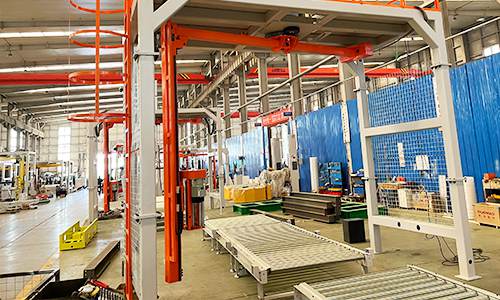
The machine supports automatic film attachment, film cutting, and conveyor integration functions, making it highly suitable for automated factories, logistics warehouses, and unmanned packaging production lines.
Automation Growth Is Driving Demand for Online Packaging Equipment
With the rapid development of manufacturing, warehousing logistics, and smart factories, more companies are building automated packaging lines.
In industries such as food and beverage, chemicals, building materials, and e-commerce warehousing, shipment volumes continue to increase, making traditional manual wrapping methods insufficient for high-speed continuous production.
At the same time, conventional semi-automatic wrapping machines still require forklift loading and unloading, increasing labor involvement and reducing overall packaging efficiency.
To improve automation efficiency further, more companies are adopting rotary arm online wrapping machines for continuous automatic pallet packaging.
Rotary Arm Structure Is Better for Continuous Online Packaging
Rotary arm online wrapping machines use a packaging method where the pallet remains stationary while the rotary arm moves around the load.
During operation, palletized goods automatically enter the wrapping zone through conveyor systems. The rotary arm rotates around the cargo at high speed while applying stretch film to secure the load.
Compared with traditional turntable wrapping machines, rotary arm systems are more suitable for heavy, tall, or unstable pallet loads that should not rotate during packaging.
For heavy-duty logistics operations and high-speed conveyor applications, stationary load wrapping improves both packaging stability and operational safety.
Conveyor Integration Enables Continuous Unmanned Operation
Rotary arm online wrapping machines are typically integrated with conveyor systems, palletizing equipment, and warehouse automation systems.
The system mainly consists of a rotary arm structure, conveyor mechanism, pre-stretch film carriage, and PLC control system.
After pallets automatically enter the wrapping station through the conveyor line, photoelectric sensors detect load position and height before automatic wrapping begins.
Once packaging is completed, the pallet automatically moves to the next station, enabling fully automatic loading, wrapping, and unloading operations without manual handling.
This makes the equipment highly suitable for unmanned packaging production lines.
Automatic Wrapping Improves Transportation Stability
During logistics transportation, pallet loads are vulnerable to shifting and collapsing because of forklift handling, vehicle vibration, and long-distance shipping.
Rotary arm wrapping machines apply multiple layers of stretch film to create a stable integrated load structure, improving transportation stability.
Stretch film also provides dustproof, moisture-resistant, and contamination protection benefits, reducing cargo damage risks during warehousing and shipping.
Automatic Film Attachment and Cutting Improve Automation Levels
To support fully automated factory operations, many rotary arm wrapping systems are equipped with automatic film attachment, film cutting, and film wiping systems.
After packaging is completed, the machine automatically cuts the film and secures the film tail without manual intervention.
This significantly reduces labor participation while improving packaging speed and standardization, making the equipment ideal for 24-hour continuous packaging operations.
Pre-Stretch Film Systems Help Reduce Packaging Costs
Rotary arm online wrapping machines typically use powered pre-stretch film carriage systems that stretch the film before application.
Compared with manual wrapping, pre-stretch technology improves packaging tightness while reducing film consumption.
For companies handling high shipment volumes, automated equipment not only improves operational efficiency but also helps lower long-term packaging material costs.
Automated Rotary Arm Wrapping Solutions
Rotary arm online wrapping machines are suitable for automatic packaging of large pallets and heavy cargo. The equipment supports automatic conveying, automatic film attachment and cutting, and unmanned continuous wrapping operations.
Using PLC intelligent control systems and heavy-duty rotary arm structures, the machines provide stable operation for automated factories and smart logistics warehouses.
According to different industry requirements, customized solutions such as top-sheet covering systems, top-press devices, and extra-height wrapping configurations are also available.
Case Study: Automated Packaging Improves Shipping Capacity
A beverage manufacturer previously relied on forklifts and semi-automatic wrapping machines for pallet packaging. During peak production periods, severe congestion often occurred in the packaging area.
After introducing a rotary arm online wrapping machine, the company achieved automatic pallet conveying and continuous automatic wrapping operations.
As a result, packaging efficiency improved significantly, labor requirements were reduced, and pallet wrapping quality became more stable and consistent, helping optimize the company’s entire shipping workflow.
Rotary Arm Online Wrapping Machines Promote Unmanned Packaging Upgrades
By combining rotary arm rotation technology with automated conveyor systems, rotary arm online wrapping machines achieve continuous automatic pallet packaging with clear advantages in efficiency, transportation stability, and labor reduction.
As smart manufacturing and logistics automation continue to develop, online automatic wrapping systems are becoming an increasingly important part of modern packaging production lines, helping companies achieve efficient unmanned packaging operations and automated upgrades.
products
-
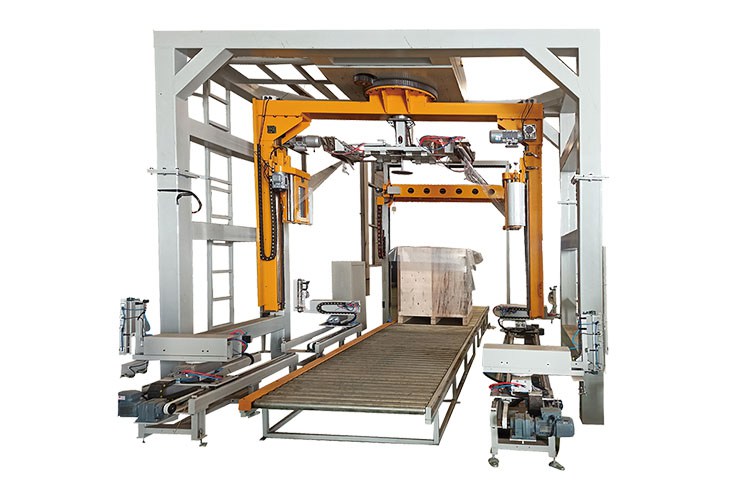
Cantilever wrapping film packaging machine
view more -
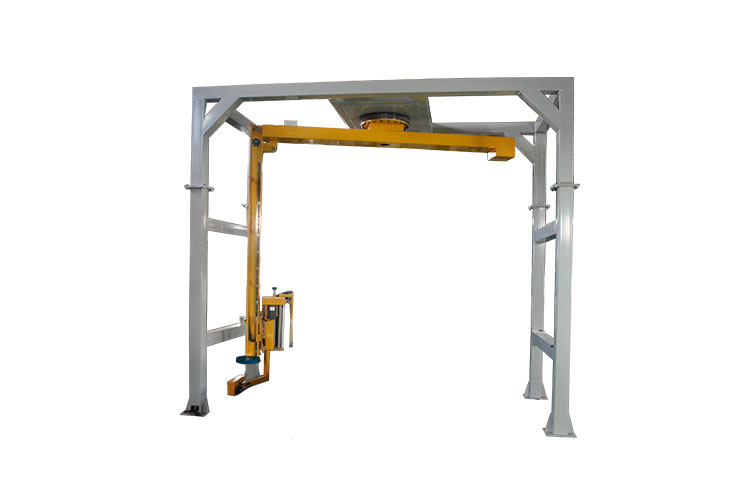
Gantry fully automatic cantilever wrapping machine
view more -
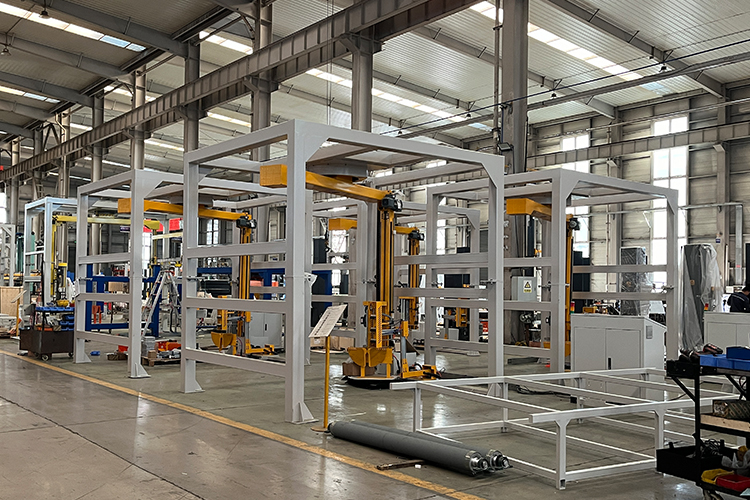
Cantilever wrapping packaging machine
view more -
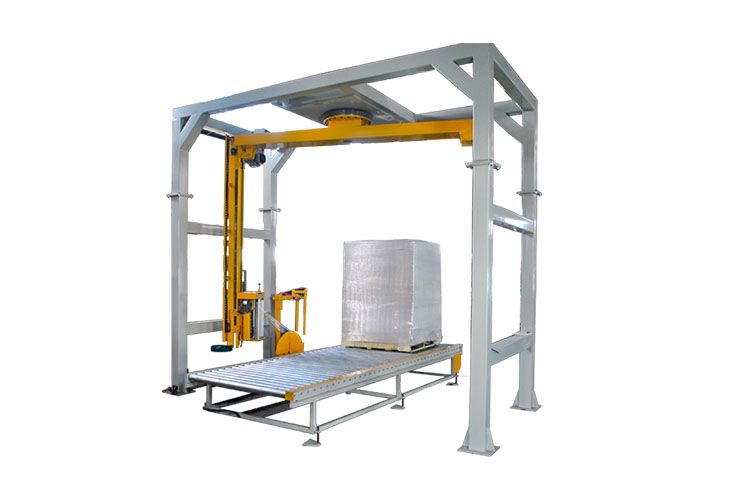
Rocker-type online wrapping machine
view more -
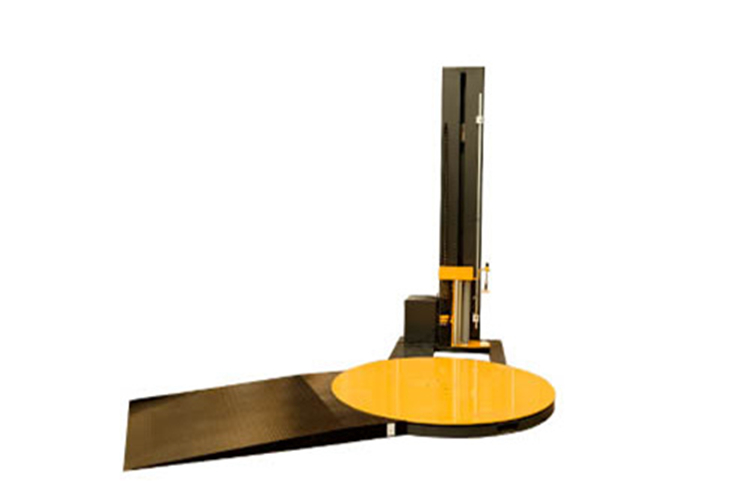
Stretch film wrapping machine
view more -
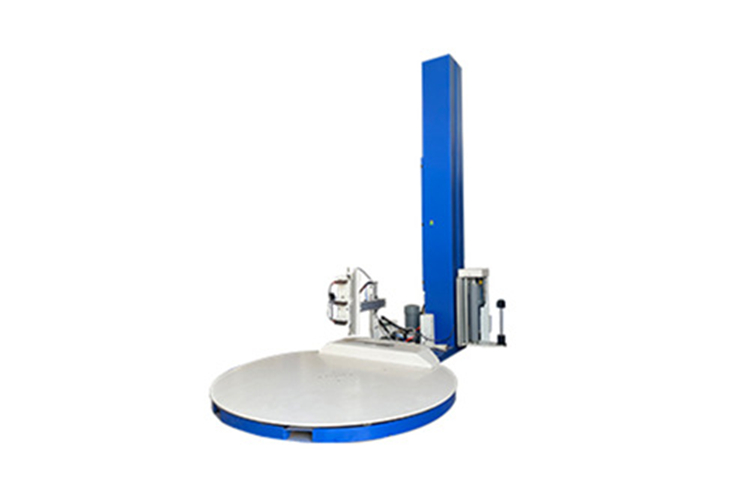
Pallet wrapping packaging equipment
view more -
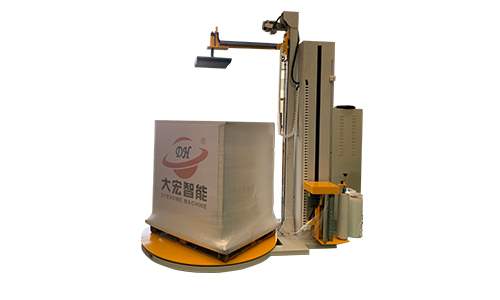
Turntable wrapping machine with top pressure
view more -
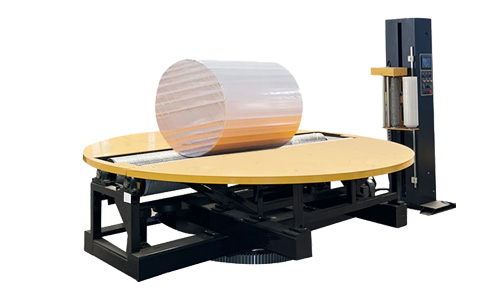
Pallet paper tube wrapping machine
view more
-
 Shandong Dyehome Intelligent Equipment Co.,Ltd
Phone:0086-17362172587
Whatsapp:+8617362172587
Email:machinedyehome@gmail.com
Add:Building 62, 3000 Meili East Road, DmiPark, Wujiapu Street, Huaiyin District, Jinan City,Shandong Province
Jinan Jiasen Packaging Equipment Co., LtdPhone:0086-15665802370
Add:High-end Equipment Manufacturing Industrial Park, East Industrial New Town, Ancheng Town, Pingyin County, Jinan City, Shandong Province
Shandong Golden Pack Intelligent Equipment Co.,LtdPhone:0086-15662690213
Add:High-end Equipment Manufacturing Industrial Park, East Industrial New Town, Ancheng Town, Pingyin County, Jinan City, Shandong Province
-
YoursIndustry
-
OurSolutions
-
OurServices
-
OurInformation