

Loose Outer Packaging for Rolls? Horizontal Roll Stretch Wrapping Machine Achieves Uniform Full-Cover Wrapping
Date: 2026-01-23Id:507Views:
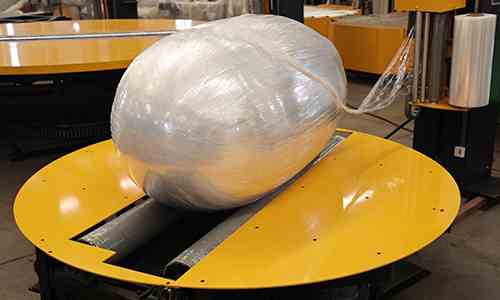
Packaging Challenges for Rolled Products During Transport and Storage
Rolled products such as nonwoven fabrics, paper rolls, rubber rolls, and coils are typically heavy and have surfaces that are prone to abrasion and contamination. Traditional manual wrapping or simple covering often results in uneven film tension and inconsistent coverage, leading to loose outer layers or edge damage during handling and stacking.
Structural Advantages of Roll Wrapping Machines
The roll stretch wrapping machine combines turntable rotation with coordinated film carriage movement, allowing continuous circumferential wrapping. Stretch film is applied with uniform tension to achieve 360-degree coverage, closely conforming to the cylindrical surface and reducing wrinkles or looseness commonly found in manual wrapping.
Adaptation to Different Roll Specifications
For rolls of varying diameters and widths, the machine can be adjusted through turntable size, film carriage height, and wrapping parameters. Load capacity and rotation speed can be matched to product weight and packaging cycle requirements, supporting multi-product production or dispatch scenarios.
Automatic Discharge and Auxiliary Functions
After wrapping is completed, some roll wrapping machines are equipped with automatic discharge systems that gently push the wrapped roll out, reducing the risk of secondary impacts during handling. Optional features such as weighing and label printing can also be integrated to connect packaging with identification and outbound management processes.
Comparison With Manual or Simple Packaging Methods
Compared with manual wrapping or partial covering methods, roll stretch wrapping machines offer greater consistency in wrapping paths, film tension, and overall appearance. Standardized packaging improves product presentation and provides more reliable protection for stacking, transportation, and storage.
Position in Production and Dispatch Processes
Roll stretch wrapping machines are typically installed at finished product handling stations or outbound packaging areas. They can operate independently or be integrated with roll conveyors and turning equipment, forming a standardized and stable packaging process for industries such as paper, nonwoven materials, and rubber products.
Related
products
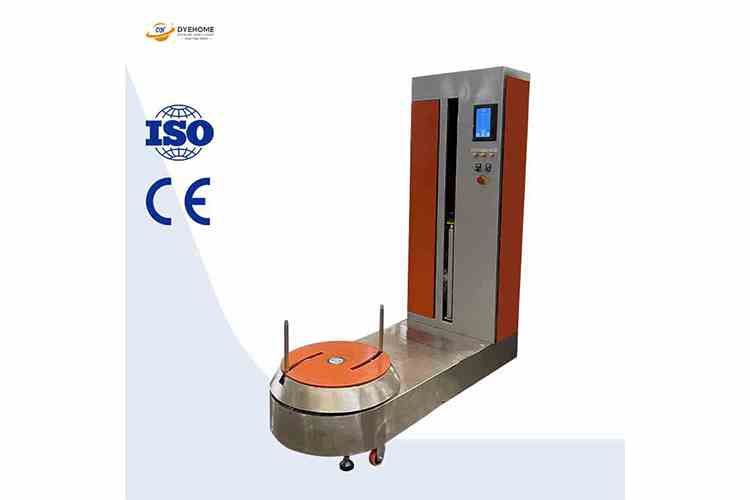
Airport Self-Service Luggage Wrapping Machine
view more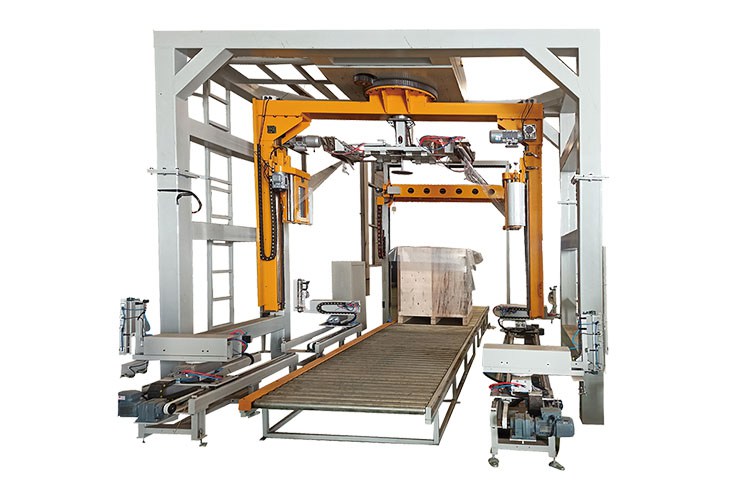
Cantilever wrapping film packaging machine
view more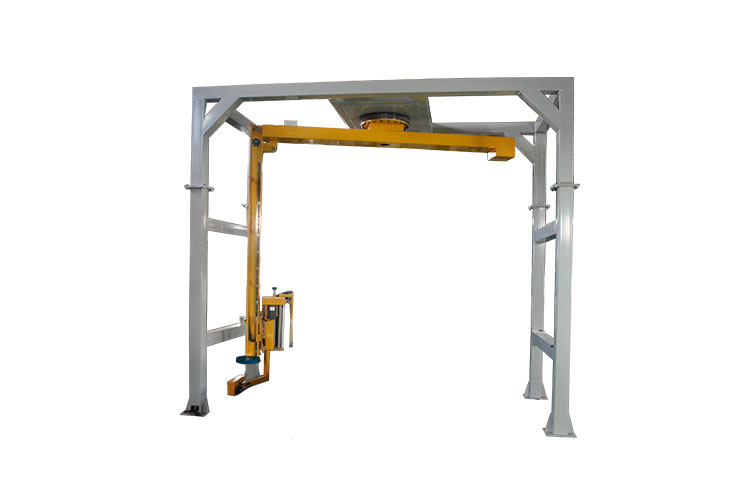
Gantry fully automatic cantilever wrapping machine
view more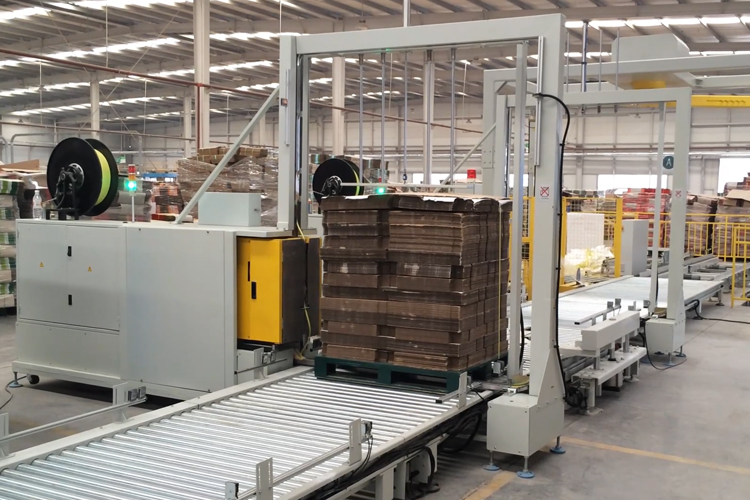
Automated film wrapping and packaging equipment
view more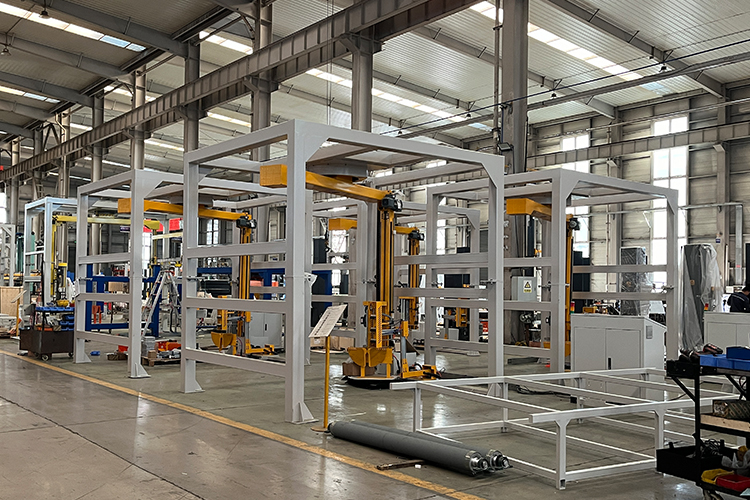
Cantilever wrapping packaging machine
view more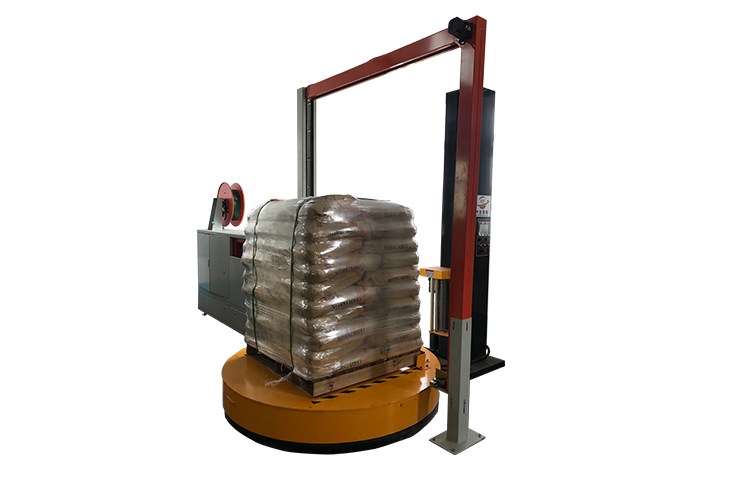
Sword-piercing baler and wrapping machine
view more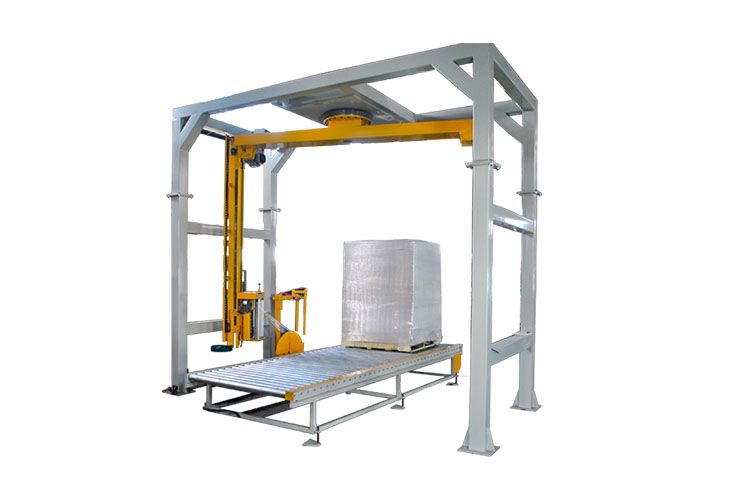
Rocker-type online wrapping machine
view more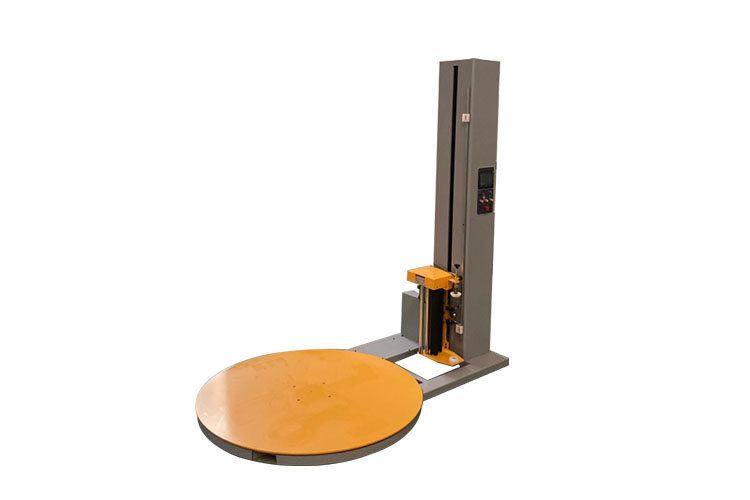
Pallet packaging equipment
view more
 Shandong Dyehome Intelligent Equipment Co.,Ltd
Phone:0086-17362172587
Whatsapp:+8617362172587
Email:machinedyehome@gmail.com
Add:Building 62, 3000 Meili East Road, DmiPark, Wujiapu Street, Huaiyin District, Jinan City,Shandong Province
Jinan Jiasen Packaging Equipment Co., LtdPhone:0086-15665802370
Add:High-end Equipment Manufacturing Industrial Park, East Industrial New Town, Ancheng Town, Pingyin County, Jinan City, Shandong Province
Shandong Golden Pack Intelligent Equipment Co.,LtdPhone:0086-15662690213
Add:High-end Equipment Manufacturing Industrial Park, East Industrial New Town, Ancheng Town, Pingyin County, Jinan City, Shandong Province
YoursIndustry
OurSolutions
OurServices
OurInformation