

Non-woven Fabric Roll Wrapping Machine Why are non-woven fabric rolls prone to loosening? Non-woven fabric stretch film wrapping machines are becoming a new choice for many factories
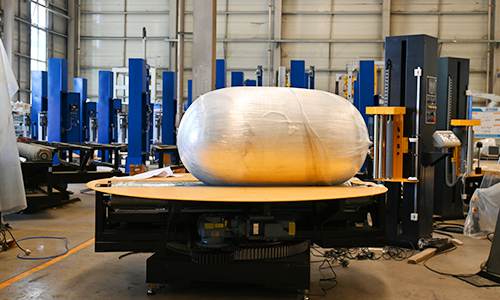
In recent years, many non-woven fabric manufacturers have become increasingly concerned about packaging before shipment. In the past, most factories relied on manual wrapping or simple packaging methods. However, with longer transportation distances and higher customer requirements for product appearance, traditional packaging methods can no longer meet current shipping demands.
In particular, non-woven fabric rolls are prone to edge damage, surface dust contamination, and loosening during transportation and storage. For export orders or industries with high cleanliness requirements, packaging issues not only affect appearance but may also impact downstream usage.
Therefore, more and more companies are adopting non-woven fabric stretch film wrapping machines to improve overall packaging quality through automated wrapping.
Why packaging is becoming more important in the non-woven industry
Today, customers purchasing non-woven products care not only about product quality but also about packaging integrity upon arrival.
Because non-woven rolls are usually large in size, they must go through forklift handling, warehouse stacking, and long-distance logistics. If packaging is not tight, problems may occur such as:
- Edge wear
- Surface dust contamination
- Roll loosening
- Moisture exposure
- Transportation deformation
Especially in medical non-woven fabrics, industrial filtration materials, and hygiene products, cleanliness requirements are even higher.
Therefore, many companies are shifting from manual packaging to automated packaging equipment.
Why non-woven fabric wrapping machines are suitable for roll products
Compared with manual wrapping, automatic cylindrical wrapping machines provide more uniform and stable packaging.
Equipment such as the YP series cylindrical wrapping machine can achieve 360-degree wrapping, making packaging tighter and more consistent.
Previously, one of the biggest issues for manufacturers was inconsistent appearance after packaging. This is especially noticeable in export logistics, where loose packaging affects stacking efficiency and customer impression.
Automated wrapping equipment ensures uniform packaging through rotation and film application, reducing human error.
For companies with high-volume shipments, standardized packaging is becoming increasingly important.
Industries suitable for non-woven wrapping machines
Besides non-woven fabrics, cylindrical wrapping machines are widely used in:
- Felt fabric industry
- Rubber products industry
- Paper industry
- Roll processing industry
- Coil packaging industry
As roll-type products generally require high packaging stability, automated systems are becoming more popular.
Transportation protection is now the key concern
Today, many companies care less about packaging speed and more about:
“Can the product remain intact after transportation?”
In fact, most product losses do not occur during production, but during transportation.
Loose packaging may lead to edge damage and contamination during long-distance logistics.
Automated wrapping improves stability and reduces friction and damage.
Why automation is becoming mainstream
With rising labor costs, more manufacturers are reducing manual packaging.
Compared with manual wrapping, automated systems offer:
- Stable speed
- Consistent packaging quality
- Less film waste
- Higher efficiency
Packaging automation is becoming a basic requirement rather than an optional upgrade.
products
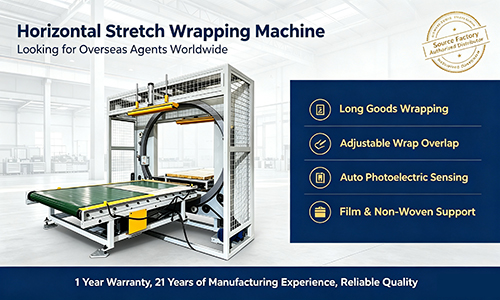
Horizontal Stretch Wrapping Machine SP1000 for Pipes
view more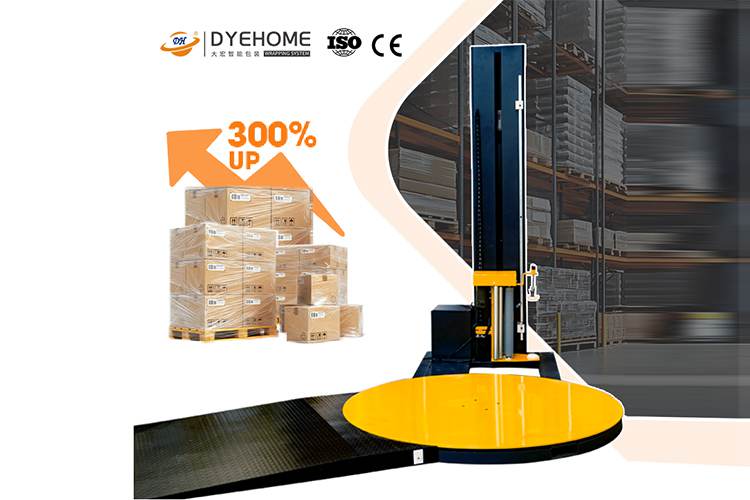
Pallet Stretch Wrapping Machine
view more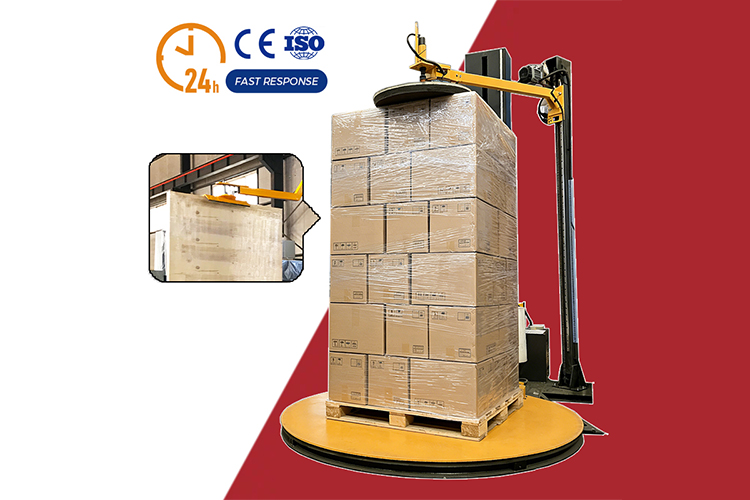
Top Press Pallet Stretch Wrapping Machine
view more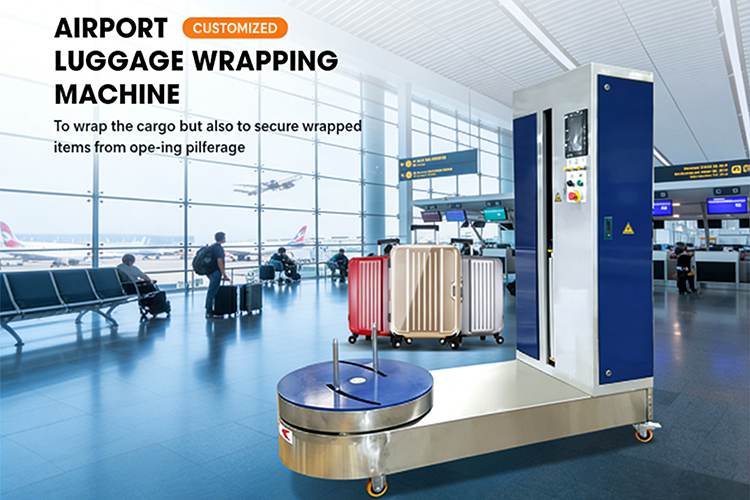
Luggage Wrapping Machine for Airports
view more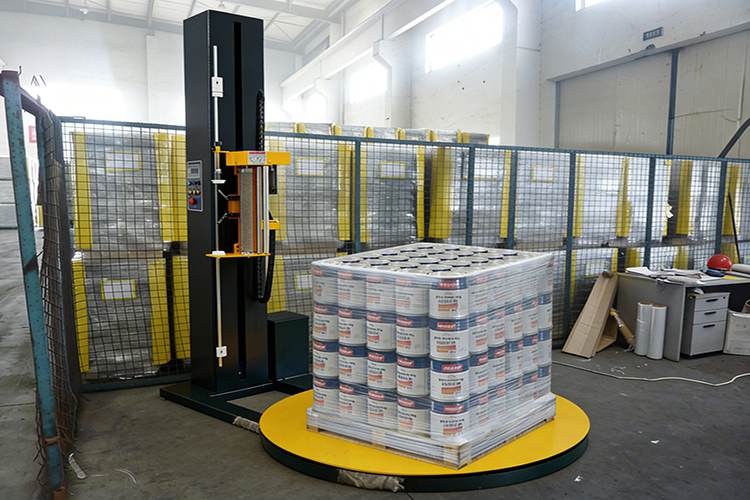
Pallet Stretch Wrapping Machine for Canned Goods
view more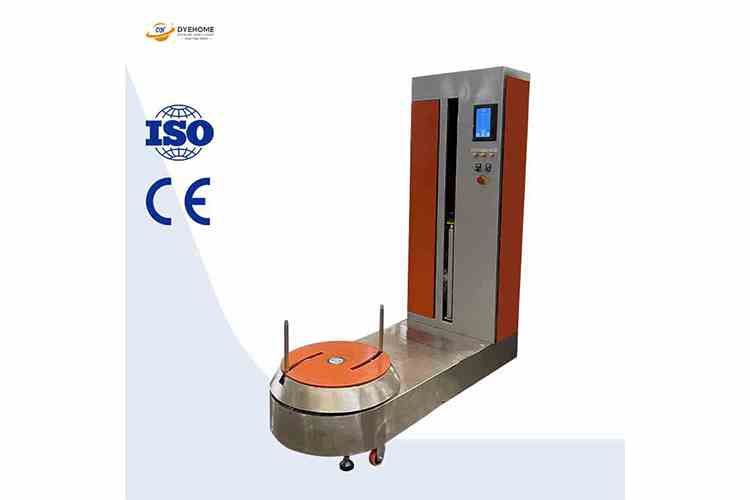
Airport Self-Service Luggage Wrapping Machine
view more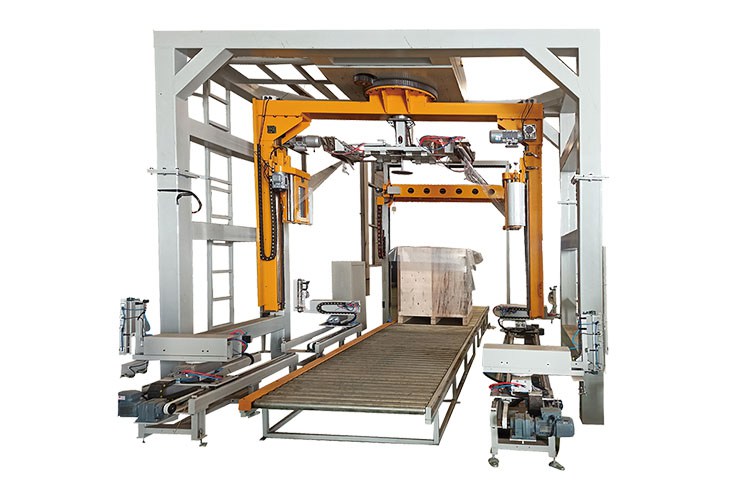
Cantilever wrapping film packaging machine
view more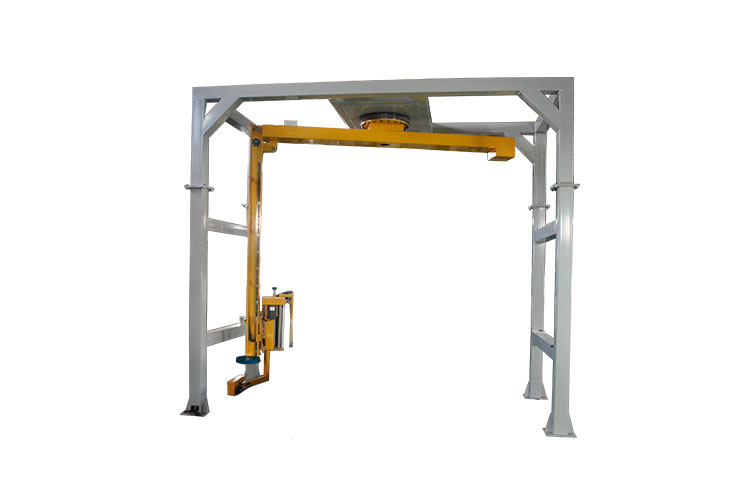
Gantry fully automatic cantilever wrapping machine
view more
 Shandong Dyehome Intelligent Equipment Co.,Ltd
Phone:0086-17362172587
Whatsapp:+8617362172587
Email:machinedyehome@gmail.com
Add:Building 62, 3000 Meili East Road, DmiPark, Wujiapu Street, Huaiyin District, Jinan City,Shandong Province
Jinan Jiasen Packaging Equipment Co., LtdPhone:0086-15665802370
Add:High-end Equipment Manufacturing Industrial Park, East Industrial New Town, Ancheng Town, Pingyin County, Jinan City, Shandong Province
Shandong Golden Pack Intelligent Equipment Co.,LtdPhone:0086-15662690213
Add:High-end Equipment Manufacturing Industrial Park, East Industrial New Town, Ancheng Town, Pingyin County, Jinan City, Shandong Province
YoursIndustry
OurSolutions
OurServices
OurInformation