

Pallet Shipping Efficiency Too Slow? More Factories Are Choosing Turntable Stretch Film Wrapping Machines
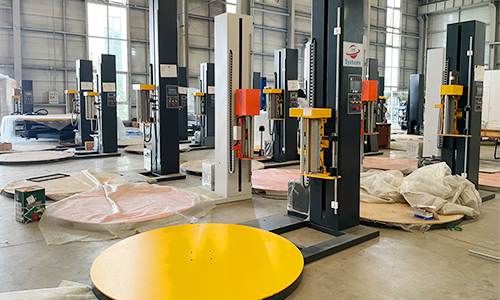
Today, many factories are no longer satisfied with simply “wrapping the goods.” More companies are paying attention to packaging speed, transportation stability, and overall shipping efficiency. In logistics, food and beverage, chemical, and manufacturing industries, pallet shipping volumes continue to grow. Relying on manual wrapping is becoming increasingly inefficient and unstable.
Many companies once believed manual wrapping was still acceptable, but during peak seasons or large order periods, they quickly discovered that manual packaging could not keep up with shipping demand. Slow packaging speed, excessive film waste, and unstable pallets have become common problems for many warehouses and factories.
As a result, more companies are adopting turntable stretch film wrapping machines to improve overall packaging efficiency through automated wrapping.
Why More Companies Are Replacing Manual Wrapping
One major issue today is the difficulty of recruiting workers for repetitive packaging tasks.
During manual wrapping, workers must constantly walk around the pallet, creating high labor intensity and inconsistent wrapping quality. Some pallets are wrapped too tightly, while others are too loose, increasing the risk of cargo shifting during transportation.
In industries such as beverages, paper cartons, and e-commerce logistics, slow packaging speed can quickly create shipment bottlenecks.
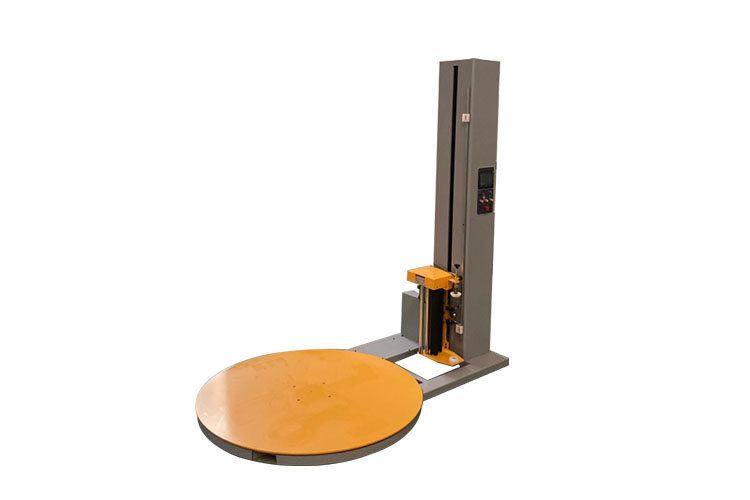
Compared with manual methods, turntable stretch film wrapping machines automatically rotate pallets and apply stretch film consistently, making them more suitable for continuous shipping operations.
Which Industries Are Suitable for Turntable Stretch Film Wrapping Machines
The equipment is widely used in logistics, warehousing, food and beverage, chemical, building materials, and manufacturing industries.
Food and beverage companies usually handle large pallet shipping volumes and therefore require higher packaging efficiency and transportation stability.
E-commerce warehouses focus heavily on shipping speed, especially during promotional periods when packaging directly affects order fulfillment efficiency.
Chemical and building material industries handle heavy products and therefore pay more attention to wrapping stability during transportation.
Many manufacturing factories are also introducing automatic wrapping equipment because it can easily connect with conveyor systems and support future automated production line upgrades.
More Customers Are Concerned About Film Consumption
In the past, customers mainly focused on equipment price. Today, more buyers ask: “How much stretch film does the machine consume?”
Many companies discover that film usage becomes a major long-term operating cost after extended production.
Turntable stretch film wrapping machines usually use pre-stretch film carriage systems. By stretching the film before wrapping, the machine reduces film consumption while improving package tightness.
For factories shipping products in large quantities, even small reductions in film usage can create significant long-term savings.
As a result, many customers now focus not only on equipment purchase cost, but also on long-term operating efficiency.
Companies Now Care More About Long-Term Stable Operation
Previously, many buyers only cared whether the equipment could operate. Today, companies are more concerned about long-term reliability.
For logistics and manufacturing companies, packaging equipment failures can directly affect shipping schedules and production efficiency.
Customers now pay closer attention to whether the machine operates stably, whether maintenance is convenient, whether packaging speed can match shipping demand, whether the machine supports continuous operation, and whether replacement parts are easy to obtain.
Compared with low-cost equipment, many companies now prefer stable machines with lower failure rates because the long-term operating cost is often lower.
Turntable Wrapping Machines Are Becoming Standard Packaging Equipment
As labor costs continue to rise, more companies are using automated equipment to optimize packaging workflows.
Turntable stretch film wrapping machines are becoming one of the most common pallet packaging solutions because they are easy to operate, suitable for many industries, and provide stable wrapping performance.
For companies with high shipping volumes, automatic wrapping not only improves packaging efficiency but also reduces labor dependence and improves packaging standardization.
With the continuous development of logistics and manufacturing automation, automatic stretch wrapping machines are gradually replacing traditional manual packaging methods.
products
-
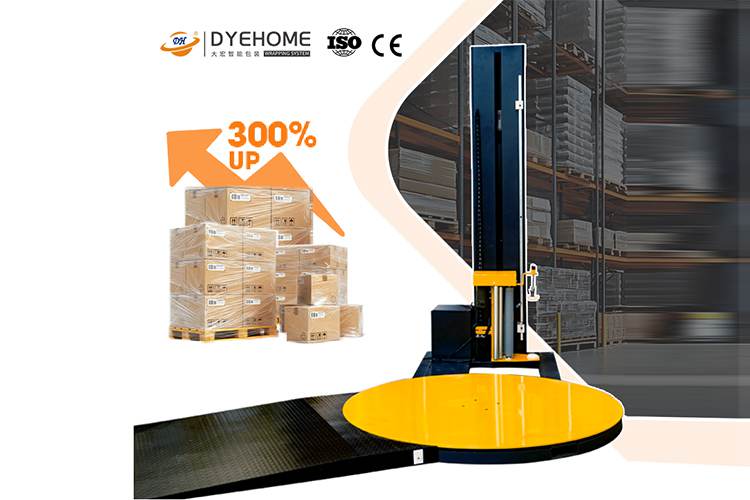
Pallet Stretch Wrapping Machine
view more -
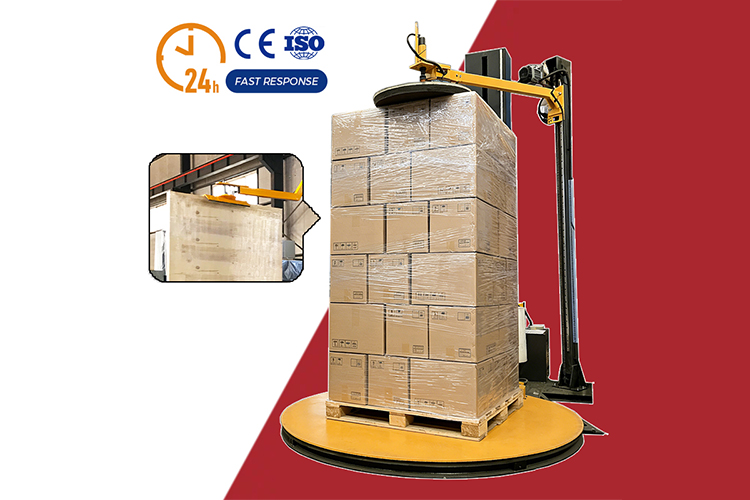
Top Press Pallet Stretch Wrapping Machine
view more -
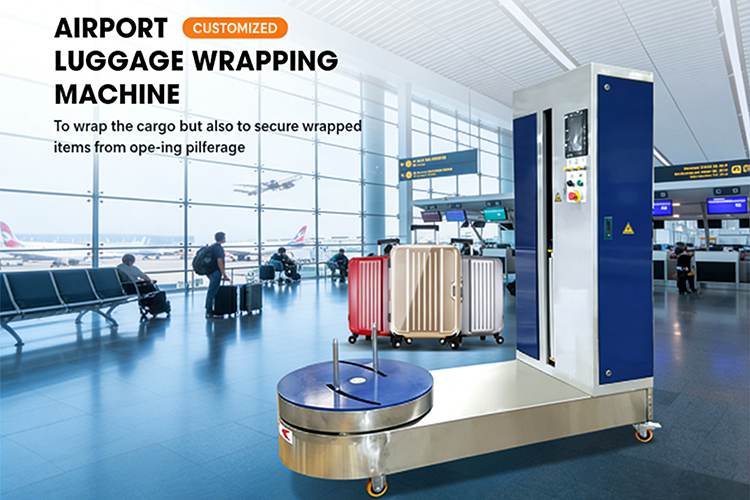
Luggage Wrapping Machine for Airports
view more -
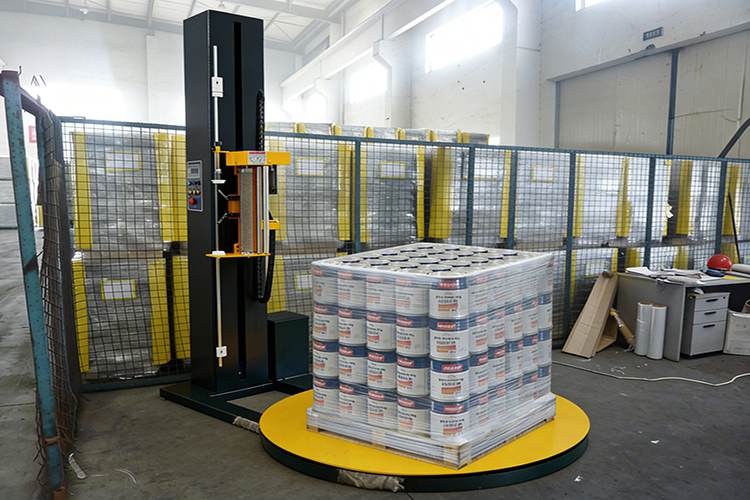
Pallet Stretch Wrapping Machine for Canned Goods
view more -
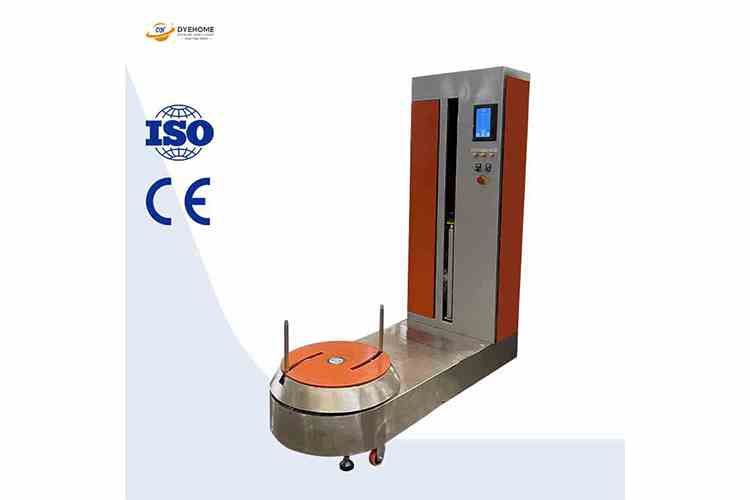
Airport Self-Service Luggage Wrapping Machine
view more -
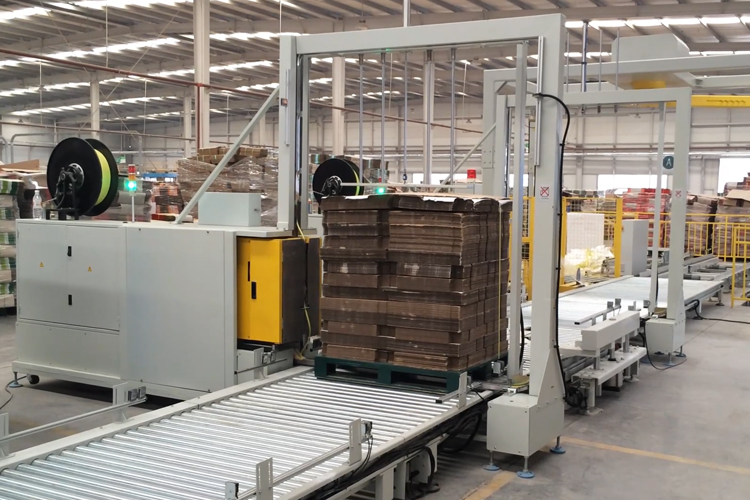
Automated film wrapping and packaging equipment
view more -
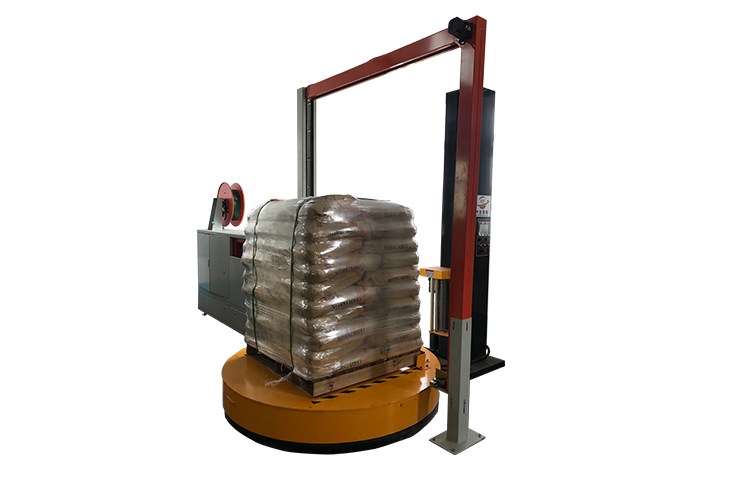
Sword-piercing baler and wrapping machine
view more -
Pallet packaging equipment
view more
-
 Shandong Dyehome Intelligent Equipment Co.,Ltd
Phone:0086-17362172587
Whatsapp:+8617362172587
Email:machinedyehome@gmail.com
Add:Building 62, 3000 Meili East Road, DmiPark, Wujiapu Street, Huaiyin District, Jinan City,Shandong Province
Jinan Jiasen Packaging Equipment Co., LtdPhone:0086-15665802370
Add:High-end Equipment Manufacturing Industrial Park, East Industrial New Town, Ancheng Town, Pingyin County, Jinan City, Shandong Province
Shandong Golden Pack Intelligent Equipment Co.,LtdPhone:0086-15662690213
Add:High-end Equipment Manufacturing Industrial Park, East Industrial New Town, Ancheng Town, Pingyin County, Jinan City, Shandong Province
-
YoursIndustry
-
OurSolutions
-
OurServices
-
OurInformation