

Production Line Outpacing Packaging? Horizontal Wrapping Machine Enables Continuous Automatic Packaging for Long Products
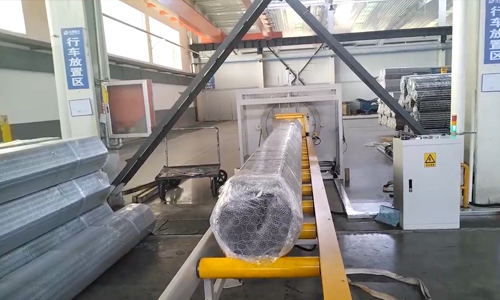
Optimizing Continuous Packaging for Long Materials
In industries such as building materials, steel pipe manufacturing, and aluminum profile production, products are typically long and varied in size. Manual wrapping or simple equipment cannot guarantee efficiency or uniform appearance.
The horizontal wrapping machine uses a rotating ring combined with a conveyor system to achieve continuous spiral wrapping, synchronizing packaging speed with production output.
Low Manual Efficiency? Rotating Ring Structure Enables Continuous Operation
Manual wrapping of steel pipes, rods, or boards requires multiple workers and is labor-intensive. During high-volume shipments, packaging can become a bottleneck.
The horizontal ring rotates around the product while the material advances steadily through the conveyor. This allows fully automatic spiral wrapping without repeated manual intervention, improving overall shipping efficiency.
Inconsistent Appearance? PLC Control Ensures Uniform Wrapping
Manual wrapping often results in uneven overlap, loose sections, or inconsistent appearance. For export-oriented products, packaging uniformity influences customer perception.
The machine’s PLC control system allows precise setting of overlap ratio and rotation speed. Photoelectric sensors detect product position, ensuring stable and continuous operation. The spiral wrapping structure delivers clean and standardized packaging.
Frequent Size Changes? Adjustable and Customizable Design
Long products vary significantly in width and height. The machine can be customized to match different dimensional ranges.
By adjusting conveyor speed and ring rotation speed, the system adapts to various packaging rhythms. Whether handling lightweight aluminum profiles or heavy steel pipes, configurations can be optimized to meet site requirements.
Multiple Packaging Material Options
Depending on protection requirements, materials such as stretch film, composite paper, non-woven fabric, or woven tape can be applied. Adjustable tension control ensures tight adhesion to product surfaces, meeting dustproof, moisture-resistant, or scratch-prevention standards.
Upgrade Value for Production Enterprises
When packaging cannot match production speed, on-site congestion and management pressure increase. The horizontal wrapping machine integrates with automatic conveyors, enabling immediate packaging upon product discharge.
By reducing labor dependence and improving packaging consistency and transport stability, it becomes a key component in automation upgrades for long-product manufacturing facilities.
products
-
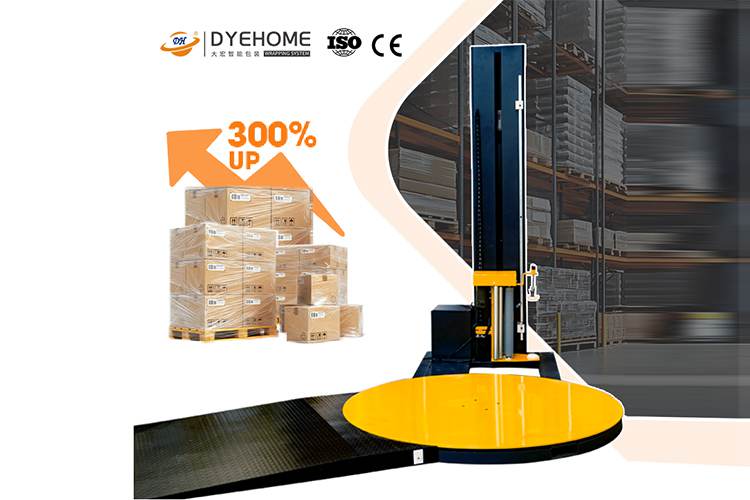
Pallet Stretch Wrapping Machine
view more -
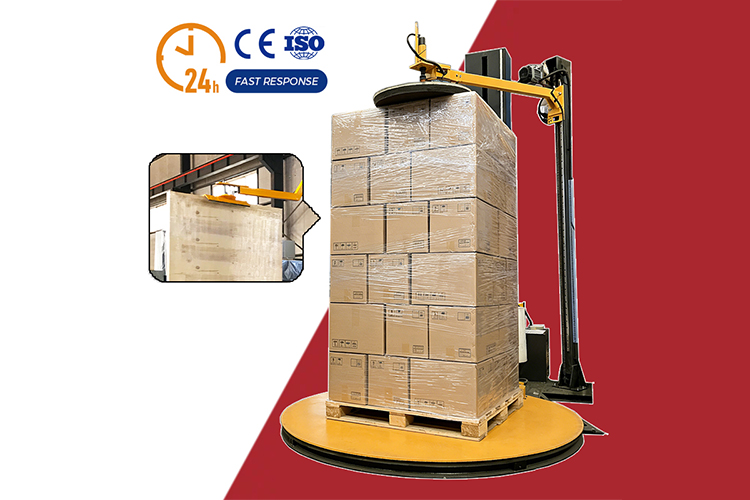
Top Press Pallet Stretch Wrapping Machine
view more -
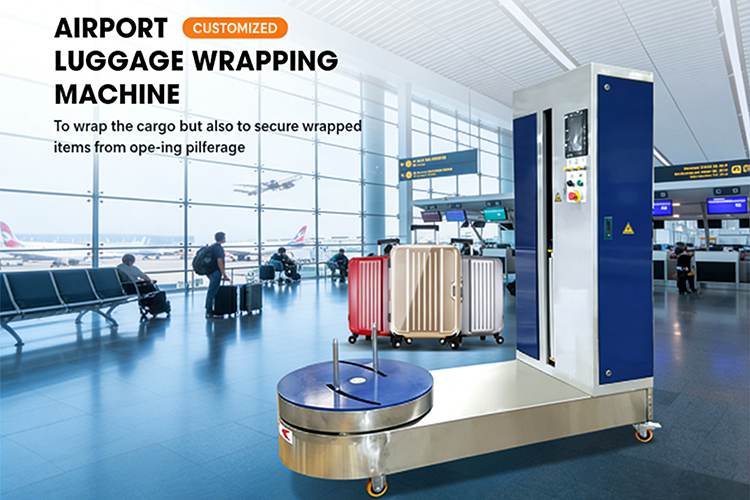
Luggage Wrapping Machine for Airports
view more -
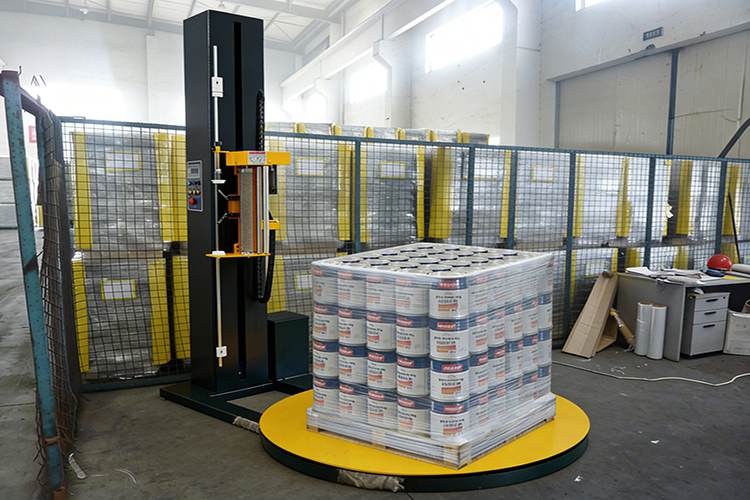
Pallet Stretch Wrapping Machine for Canned Goods
view more -
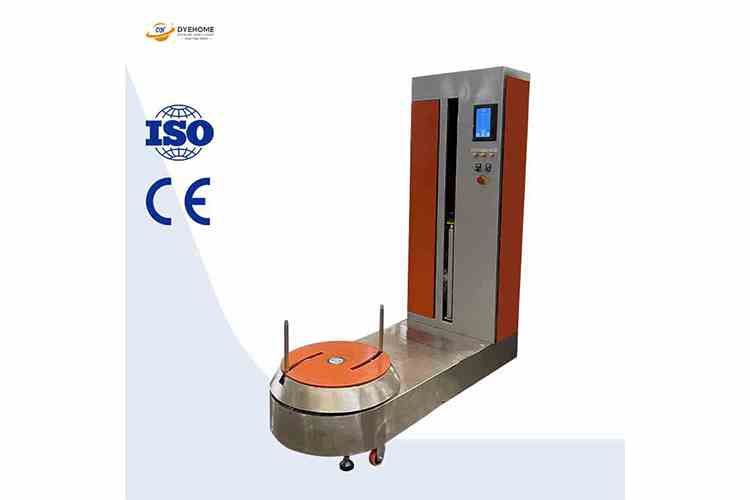
Airport Self-Service Luggage Wrapping Machine
view more -
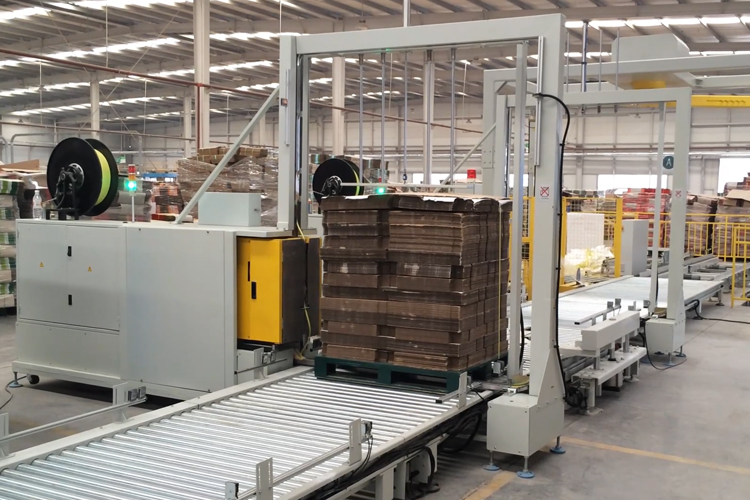
Automated film wrapping and packaging equipment
view more -
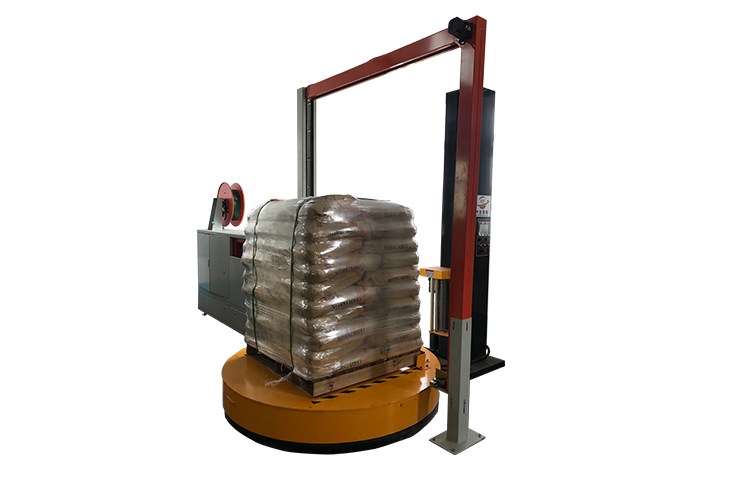
Sword-piercing baler and wrapping machine
view more -
Pallet packaging equipment
view more
-
 Shandong Dyehome Intelligent Equipment Co.,Ltd
Phone:0086-17362172587
Whatsapp:+8617362172587
Email:machinedyehome@gmail.com
Add:Building 62, 3000 Meili East Road, DmiPark, Wujiapu Street, Huaiyin District, Jinan City,Shandong Province
Jinan Jiasen Packaging Equipment Co., LtdPhone:0086-15665802370
Add:High-end Equipment Manufacturing Industrial Park, East Industrial New Town, Ancheng Town, Pingyin County, Jinan City, Shandong Province
Shandong Golden Pack Intelligent Equipment Co.,LtdPhone:0086-15662690213
Add:High-end Equipment Manufacturing Industrial Park, East Industrial New Town, Ancheng Town, Pingyin County, Jinan City, Shandong Province
-
YoursIndustry
-
OurSolutions
-
OurServices
-
OurInformation