

Why Do Pallet Loads Collapse During Transportation? More Factories Are Installing Strapping and Stretch Wrapping Integrated Machines
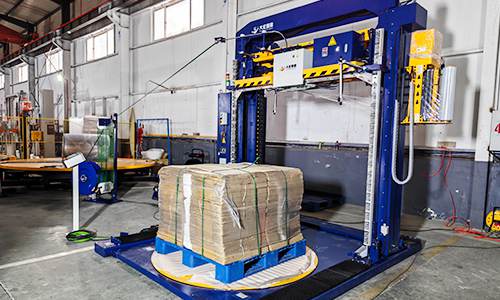
Why Pallet Loads Often Become Unstable During Transportation
Many factories face the same issue: pallets look perfectly stable inside the workshop, but after transportation, the loads become tilted, loosened, or even collapsed.
This problem is especially common with beverages, bagged products, chemical materials, and high-stacked carton pallets. During forklift handling and long-distance transportation, internal cargo movement becomes much more likely.
Many companies once believed that increasing the number of wrapping film layers would solve the problem. But in practice, stretch film alone often cannot fully secure heavy pallet loads because the internal structure remains loose.
During forklift turns, road vibration, and repeated loading operations, cargo inside the pallet continues shifting until the entire pallet loses stability.
For this reason, more factories are introducing strapping and wrapping integrated machines that first apply straps for structural tightening and then use stretch film for external protection.
Why More Industries Are Adopting “Strapping + Wrapping” Combined Packaging
In the past, many factories relied on workers to manually strap pallets before sending them to a separate wrapping machine. Some companies even continued using fully manual wrapping operations.
This approach often resulted in inconsistent packaging quality because different workers applied different tension levels and wrapping methods.
In beverage, feed, chemical, and logistics industries, pallets usually experience frequent handling and long-distance transportation. Stretch film alone cannot always prevent heavy loads from shifting during transit.
Strapping first locks the entire pallet tightly together, while wrapping film provides additional external protection. This combination significantly improves overall transportation stability.
After upgrading to strapping and wrapping integrated machines, many factories report major reductions in:
- Pallet collapse
- Cargo scattering
- Carton deformation
- Transportation damage
Especially for high-stacked pallets, the improvement in load stability becomes much more noticeable.
Why Forklift Transportation Often Causes Cargo Shifting
Many customers notice that pallets remain stable while stationary, but begin leaning once moved by forklifts.
The reason is simple:
Although the outer wrapping film may appear tight, the internal cargo structure is often not fully secured.
Bagged products and carton boxes are particularly likely to shift because of inertia during forklift turns or sudden stops.
For tall pallet stacks, once the bottom layer shifts, upper layers quickly become unstable as well.
Today, many companies realize their largest losses do not happen during production, but during transportation damage.
Strapping and wrapping integrated machines solve this by automatically combining strapping and overall wrapping into one synchronized process, creating a much more stable pallet structure.
Which Industries Are Best Suited for Strapping and Wrapping Integrated Machines
Industries currently using these systems most frequently include:
- Beverage manufacturing
- Chemical production
- Feed industry
- Building materials
- Logistics warehousing
These industries generally face:
- Large shipment volumes
- Heavy pallet loads
- Frequent transportation operations
As a result, they require much stronger pallet stabilization performance.
For example, beverage pallets are often stacked very high and can easily shift during transportation. Feed bags and chemical products are more likely to collapse due to internal movement. Logistics warehouses also require continuous packaging efficiency to match shipping speed.
Therefore, more large factories are moving beyond standalone wrapping systems and adopting integrated “strapping + wrapping” packaging solutions to improve transportation safety and packaging standardization.
Why More Factories Are Upgrading Toward Automated Integrated Packaging
As labor costs continue rising, many factories are reducing manual packaging operations.
Previously, multiple workers were needed for strapping, wrapping, and material transfer separately. Today, more factories hope to minimize labor involvement through automation.
Strapping and wrapping integrated machines can automatically complete strapping, wrapping, and conveyor coordination in one system. This not only improves packaging efficiency, but also reduces intermediate handling operations.
For high-output factories, the real priority is no longer simply:
“Can the products be packaged?”
Instead, it is:
“Can shipments continue steadily and efficiently?”
As more factories promote unmanned packaging workshops and automated production lines, integrated packaging systems are gradually replacing traditional separated packaging processes and becoming the preferred choice for modern manufacturing facilities.
products
-
Pallet Stretch Wrapping Machine
view more -
Top Press Pallet Stretch Wrapping Machine
view more -
Luggage Wrapping Machine for Airports
view more -
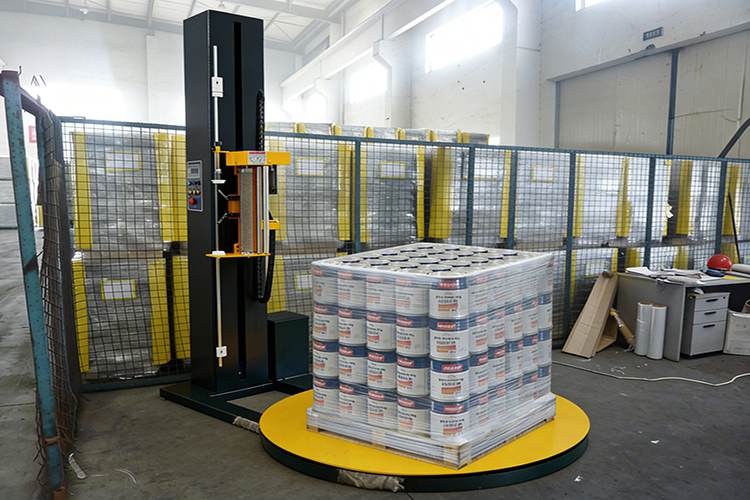
Pallet Stretch Wrapping Machine for Canned Goods
view more -
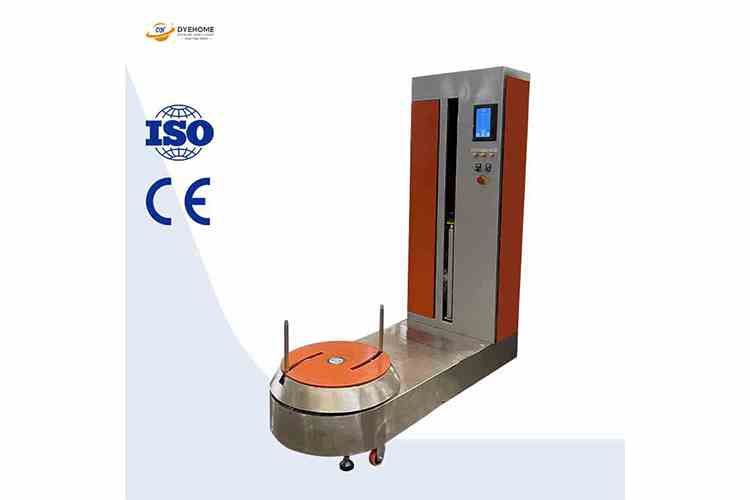
Airport Self-Service Luggage Wrapping Machine
view more -
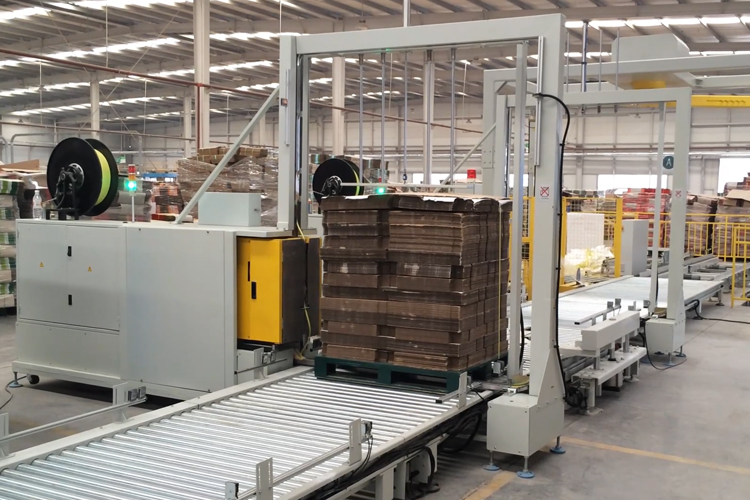
Automated film wrapping and packaging equipment
view more -
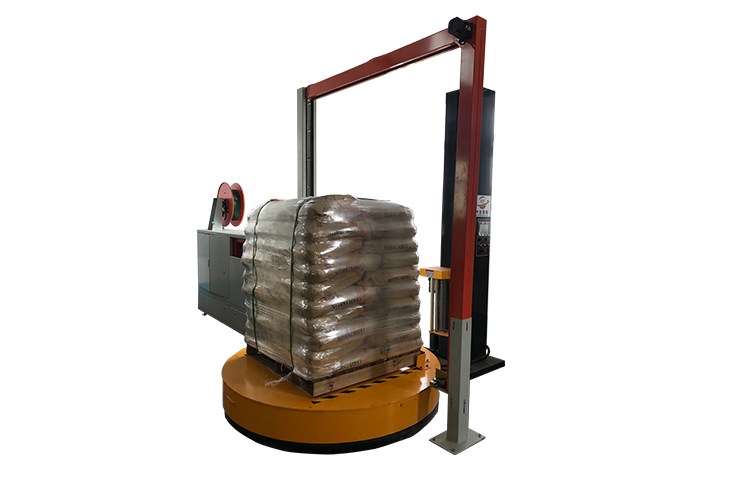
Sword-piercing baler and wrapping machine
view more -
Pallet packaging equipment
view more
-
 Shandong Dyehome Intelligent Equipment Co.,Ltd
Phone:0086-17362172587
Whatsapp:+8617362172587
Email:machinedyehome@gmail.com
Add:Building 62, 3000 Meili East Road, DmiPark, Wujiapu Street, Huaiyin District, Jinan City,Shandong Province
Jinan Jiasen Packaging Equipment Co., LtdPhone:0086-15665802370
Add:High-end Equipment Manufacturing Industrial Park, East Industrial New Town, Ancheng Town, Pingyin County, Jinan City, Shandong Province
Shandong Golden Pack Intelligent Equipment Co.,LtdPhone:0086-15662690213
Add:High-end Equipment Manufacturing Industrial Park, East Industrial New Town, Ancheng Town, Pingyin County, Jinan City, Shandong Province
-
YoursIndustry
-
OurSolutions
-
OurServices
-
OurInformation